
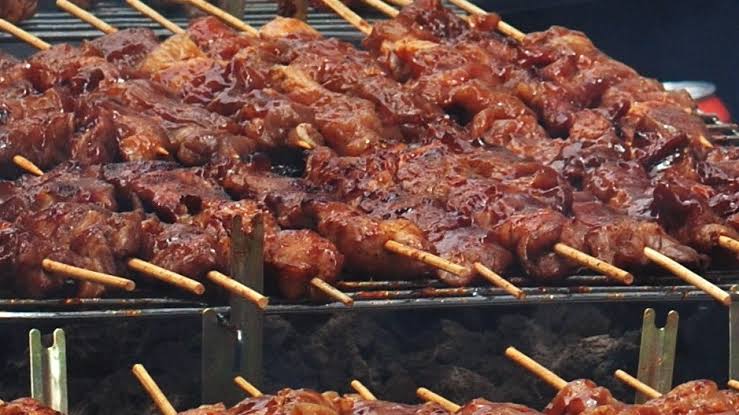
Suya is one of Nigeria’s most iconic street foods, loved for its smoky flavour, spicy seasoning, and irresistible aroma. Whether sold by roadside vendors, restaurants, or food trucks, suya has become a culinary symbol of Nigerian culture and hospitality. Made from thin slices of beef, ram, chicken, or other meats coated in a special spice blend known as yaji, suya is enjoyed by millions of people across Nigeria and beyond. While it is widely celebrated as a delicious snack or meal accompaniment, suya also contributes significantly to agriculture, livestock farming, food processing, and economic development.
What is suya?
Suya is a traditional Nigerian grilled meat delicacy made by marinating thinly-sliced meat in a mixture of ground spices and roasting it over open charcoal flames. The signature seasoning, known as yaji, is typically-made from ground peanuts (groundnuts), ginger, garlic, cayenne pepper, paprika, salt, and other local spices. The meat is skewered, coated with the spice mixture, and grilled until tender and flavourful. Suya is commonly-served with sliced onions, tomatoes, cabbage, cucumbers, and fresh pepper sauce.
Origin and cultural significance of suya
Suya is believed to have originated among the Hausa people of northern Nigeria. Over time, the delicacy spread throughout the country and became one of the most-recognised Nigerian foods. Today, suya is enjoyed in homes, restaurants, hotels, street food stalls, social gatherings, and festivals. The dish has become an important part of Nigeria’s culinary identity and is often featured at celebrations and special events.
Ingredients needed to prepare suya
Main ingredients: Beef (most common), ram meat, chicken, and goat meat
For the yaji spice mix: Roasted groundnuts, ginger powder, garlic powder, cayenne pepper, paprika, salt, and seasoning cubes (optional)
For Serving: Onions, tomatoes, cabbage, and cucumber
Step-by-step guide on how to make suya
Step 1: Prepare the meat: Wash the meat and cut it into thin slices. Remove excess fat if desired.
Step 2: Prepare the spice mix: Blend roasted groundnuts into a fine powder. Mix with ginger, garlic, pepper, paprika, and salt.
Step 3: Season the meat: Coat the meat thoroughly with the spice mixture. Allow it to marinate for several hours for deeper flavour.
Step 4: Skewer the meat: Thread the seasoned meat onto skewers. Arrange evenly for uniform grilling.
Step 5: Grill over charcoal: Place the skewers over hot charcoal. Turn regularly to ensure even cooking. Brush lightly with vegetable oil, if desired.
Step 6: Serve hot: Serve with fresh onions, tomatoes, cabbage, cucumber, and extra yaji spice.
Nutritional benefits of suya
When consumed in moderation, suya provides several important nutrients, such as:
Rich in protein: The meat contains high-quality protein that supports muscle development, tissue repair, growth and maintenance.
Provides essential minerals: Suya contains nutrients such as iron, zinc, phosphorus, selenium. These nutrients support overall health and immune function.
Energy source: Protein and healthy fats in meat help provide energy and satiety.
Contains B vitamins: Meat supplies several B Vitamins that are important for metabolism and energy production.
Economic benefits of the suya-making
Suya contributes significantly to Nigeria’s economy through multiple value chains. This includes:
1. Supports livestock farmers: The primary ingredient in suya is meat. Growing demand for suya increases demand for cattle, goats, sheep, and poultry. This creates income opportunities for livestock farmers across the country, according to the Food and Agriculture Organisation (FAO) of United Nations.
2. Creates employment opportunities: Suya business provides jobs for livestock farmers, butchers, spice processors, vendors, transporters, and food entrepreneurs. Thousands of Nigerians depend on the suya value chain for their livelihoods.
3. Encourages small business development: Many entrepreneurs start suya businesses because of the relatively low startup requirements. Suya businesses can operate as roadside stands, restaurants, food delivery services, and catering businesses. This encourages entrepreneurship and income generation.
4. Supports local spice production: The spices used in yaji come from agricultural products such as groundnuts, ginger, garlic, and pepper. Demand for suya helps create markets for farmers cultivating these crops.
5. Promotes food tourism: Suya has become a major attraction for tourists interested in experiencing authentic Nigerian cuisines. Food tourism creates additional income opportunities for local businesses and hospitality operators.
Relationship between suya and agriculture
Suya is directly connected to agriculture because nearly all its ingredients originate from farming activities.
Agricultural products used in suya production
Livestock products: Beef, goat meat, ram meat, and chicken.
Crop-based ingredients: Groundnuts, ginger, garlic, pepper, onions, tomatoes, and cabbage.
The popularity of suya creates demand for both crop and livestock production.
Importance of livestock farming to the suya industry
Livestock farming forms the foundation of suya production. Major livestock-producing regions in Nigeria supply animals for meat processing and food businesses. Benefits of livestock farming include income generation, employment creation, food security, and availability of raw materials for food processing industries. Without livestock farming, the suya industry would not exist.
The role of groundnut farming in suya production
Groundnuts are key ingredients in yaji spice. Groundnut farming supports smallholder farmers, spice processors, and food manufacturers. The popularity of suya contributes to increased demand for groundnut production and processing.
Business opportunities in the suya industry
Entrepreneurs can explore several opportunities within the suya value chain, such as:
Suya production and sales: Operating a suya stand remains one of the most common business models.
Packaged suya spice (yaji): Entrepreneurs can produce and sell packaged suya spice for home cooking.
Meat processing: Supplying prepared meat to restaurants and suya vendors can be profitable.
Food delivery services: Many consumers now order suya through online delivery platforms.
Event catering: Suya is increasingly featured at weddings, parties, and corporate events.
Why suya continues to grow in popularity
Several factors contribute to the enduring appeal of suya unique smoky flavour, affordable pricing, convenience, high protein content, cultural significance, and availability nationwide. Its ability to appeal to different age groups and social classes makes it one of Nigeria’s most successful street foods.
Conclusion
Suya is more than a delicious grilled meat snack, it is a powerful contributor to agriculture, entrepreneurship, and economic development in Nigeria. From livestock farmers and spice growers to food vendors and restaurant owners, thousands of people benefit from the suya value chain. As demand for local foods continues to grow, suya remains a shining example of how traditional cuisine can support agricultural production, create jobs, and preserve cultural heritage. Whether enjoyed as a quick snack or served at celebrations, suya continues to hold a special place in Nigeria’s food culture and economy.
 Active journalism costs huge sums of money. To ensure quality and rich agricultural journalism, the support of readers and friends of the publication is required. Donations can be made in Nigerian Naira (NGN). Kindly provide relevant information during transactions and be assured that funds received will be used judiciously and appropriately. For donation to FarmingFarmersFarms, kindly click the link below, call or send message to: +2348095451987.