
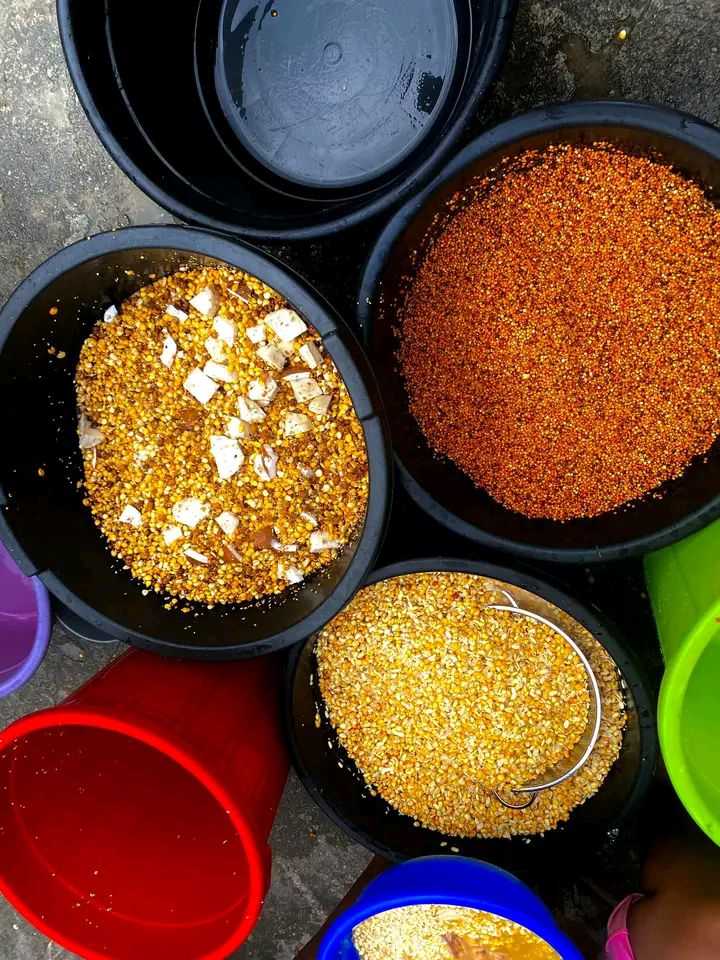
Starting a pap business in Nigeria can be a smart and profitable
venture because pap is consumed daily in many homes, restaurants, schools,
hospitals, and local food spots. Since it is affordable, nutritious, and
widely-accepted across different age groups, the demand for pap remains steady
throughout the year. Whether you want to produce pap on a small scale from home
or build a larger packaged food brand, the business offers opportunities for
growth with relatively low startup capital.
Why pap business is
profitable
Pap is one of Nigeria’s most consumed traditional foods. People buy it
regularly because, it is affordable, it is easy to digest, it is commonly eaten
for breakfast, it is suitable for babies and adults, it pairs well with akara,
bread, and moi-moi. The constant demand creates a reliable market for producers
and sellers.
Types of pap business you
can start
There are different ways to enter the pap business, depending on your
budget and goals.
1. Fresh pap production: This involves producing wet pap and selling it
in containers or nylon packs. You can sell to local households, food vendors,
restaurants, neighbours and markets.
2. Dry pap powder production: This involves drying processed pap and
packaging it as powder. Advantages include longer shelf-life, easier
transportation, better branding opportunities, and can be sold in supermarkets.
3. Pap retail shop: You can operate a breakfast stand selling prepared
pap with, akara, bread, moi-moi, fried yam or potato.
4. Wholesale supply: You can produce pap in bulk and supply to hotels,
schools, catering businesses, and retailers.
Step-by-step guide to
starting a pap business
Step 1: Learn the production process. You must first understand how to
produce high-quality pap consistently.
Basic production steps
1. Buy quality maize
2. Wash and soak it
3. Ferment for 2-3 days
4. Grind smoothly
5. Sieve properly
6. Allow sedimentation
7. Package hygienically
Good taste and cleanliness are very important in this business.
Step 2: Decide your business scale
Small scale
You can start from home with minimal equipment.
Medium or large scale
You may need grinding machines, drying equipment, packaging machines,
and storage facilities.
Step 3: Get the necessary equipment. Depending on your scale, you may
need.
Basic equipment
Buckets, bowls, sieve, grinding machine access, measuring containers,
storage drums.
For dry pap production
Drying trays or dryer, sealing
machine, packaging materials.
Step 4: Source quality maize: Your raw material quality affects the
final product.
Buy clean maize from farmers, local grain markets, agricultural
cooperatives. Yellow maize and white maize can both be used, depending on
customer preference.
Step 5: Focus on hygiene: Food businesses succeed when customers trust
the cleanliness of the product. Use clean water, wash equipment regularly,
package neatly, store properly, and avoid contamination. Good hygiene helps
build repeat customers.
Step 6: Create attractive packaging: Packaging can make your product
stand out. Include: business name, contact number, production date, and simple
branding label. For dry pap, use sealed nylon or branded containers.
Step 7: Register your business: As your business grows, consider
registering with the Corporate Affairs Commission (CAC), and National Agency
for Food and Drug Administration and Control (NAFDAC), especially for packaged
products. Registration improves credibility and helps you enter larger markets.
Step 8: Market your pap business through offline marketing by supplying
local shops, partner with food vendors, sell in markets, offer free tasting
samples. Online marketing entails using WhatsApp, Facebook, Instagram, TikTok,
etc. Post pictures and videos of clean production process, packaged products,
and customer reviews.
How much capital do you
need?
The amount depends on your scale. For small-scale home production, you
can start with relatively low capital for maize, packaging, grinding, and
transportation. For medium-scale production, you may need more funds for
machines, branding, shop rental, staff. Starting small and growing gradually is
often the safest approach.
Economic benefits of the
pap business
The pap business supports the economy in many ways.
1. Supports agriculture: Pap production increases demand for maize,
millet, sorghum. This benefits farmers and encourages local grain production.
2. Creates employment: The business creates jobs for farmers, food
processors, retailers, transporters, and packaging suppliers.
3. Encourages small businesses: Many women and young entrepreneurs earn
income from pap sales and breakfast vending.
4. Promotes local food processing: Turning maize into pap adds value to
agricultural produce and supports agro-processing industries.
Pap business and
agriculture
The pap business depends heavily on agriculture because maize is the
major raw material. Agricultural value chain involves that:
1. Farmers grow maize
2. Traders supply grains
3. Processors produce pap
4. Vendors sell to consumers: As pap demand increases, the agricultural
sector also grows.
Challenges in the pap
business
Like every business, pap production has some challenges.
Common challenges
Poor
storage can spoil the product
Rising
maize prices
Competition
Transportation
costs
Lack of proper packaging
However, quality production and good customer service can help you
succeed.
Tips for success in the pap
business
Maintain
high hygiene standards
Produce
consistent quality
Build
customer relationships
Start
small and expand gradually
Use
attractive packaging
Promote your business online
Future opportunities in the
pap industry
The pap industry has room for expansion through:
Instant
pap powder production
Export
packaging
Health-focused
pap brands
Baby
food production
Supermarket distribution
As more consumers seek affordable local foods, pap businesses can
continue to grow.
Conclusion
Starting a pap business in Nigeria is a practical and
potentially-profitable opportunity. With steady demand, affordable startup
costs, and strong ties to agriculture, the business offers a pathway for income
generation and entrepreneurship. By focusing on quality, hygiene, branding, and
customer satisfaction, you can build a successful pap business that not only
earns profit, but also supports local farmers and Nigeria’s agricultural
economy.
 Active journalism costs huge sums of money. To ensure quality and rich agricultural journalism, the support of readers and friends of the publication is required. Donations can be made in Nigerian Naira (NGN). Kindly provide relevant information during transactions and be assured that funds received will be used judiciously and appropriately. For donation to FarmingFarmersFarms, kindly click the link below, call or send message to: +2348095451987.