



The Federal Government is targeting a near doubling of its livestock industry to US$74 billion over the next decade as part of broader efforts to transform agriculture, improve food security, and stabilise the economy.
The plan, outlined at the ninth edition of the Vanguard Economic Discourse, held at the Civic Centre, Lagos, forms part of a national strategy to reposition agriculture as a driver of growth amid rising food inflation and deepening hunger.
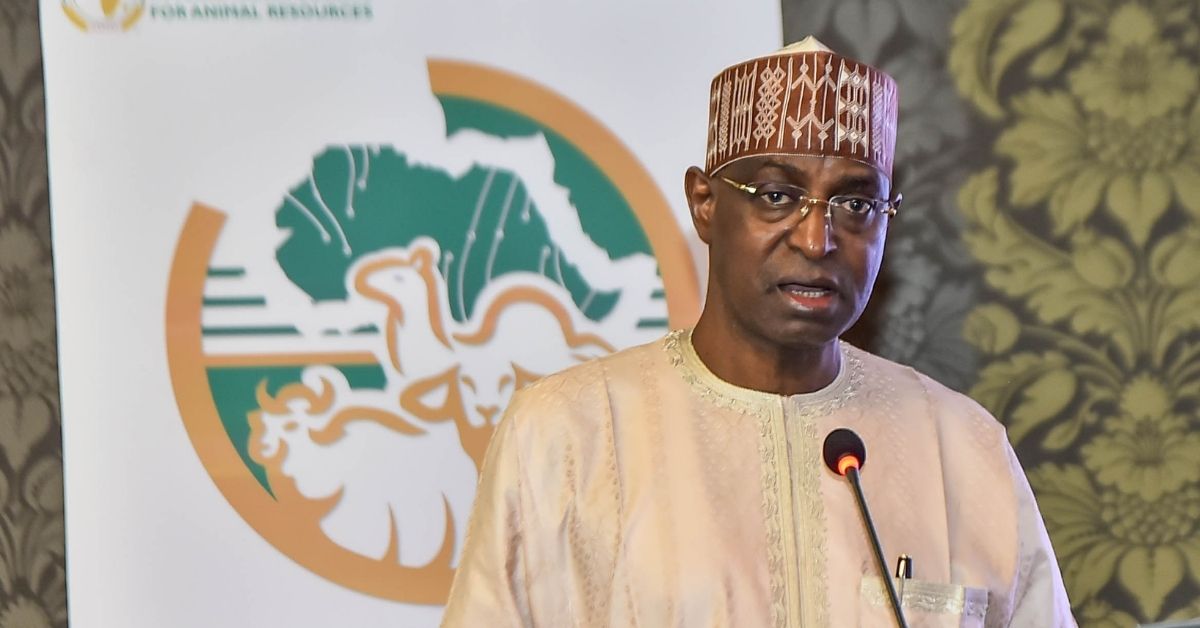
Speaking on behalf of the Minister of Livestock Development, Idi Maiha, his Special Adviser, Eustace Iyayi, said the government had developed a 10-pillar livestock transformation plan aimed at expanding the sector’s value from about US$32 billion currently to US$74 billion by 2035.
“Agriculture remains central to Nigeria’s economy, contributing roughly 24 to 26% of Gross Domestic Product, GDP and employing up to 40% of the labour force”, Iyayi said.
“Yet, despite this significance, the country continues to grapple with persistent food insecurity.” The event, themed “Food Security and Socio-economic Stability: Options for Nigeria’s Agriculture Sector Rebound”, drew participation from global agencies, including the Food and Agriculture Organisation and the International Fund for Agricultural Development, alongside Nigerian policymakers and industry stakeholders.
Nigeria faces mounting pressure on its food systems, with more than 25 million people at risk of acute food insecurity, according to estimates cited at the forum. Food inflation has also remained above 30% in recent periods, eroding purchasing power and worsening poverty levels.
Iyayi said the livestock sector, which contributes between 5 and 8% of GDP and about a third of agricultural output, is central to addressing these challenges, particularly in tackling protein deficiency.
“Average per capita animal protein consumption in Nigeria is about 7 to 10 grams per day, far below the recommended minimum of 20 grams”, he said.

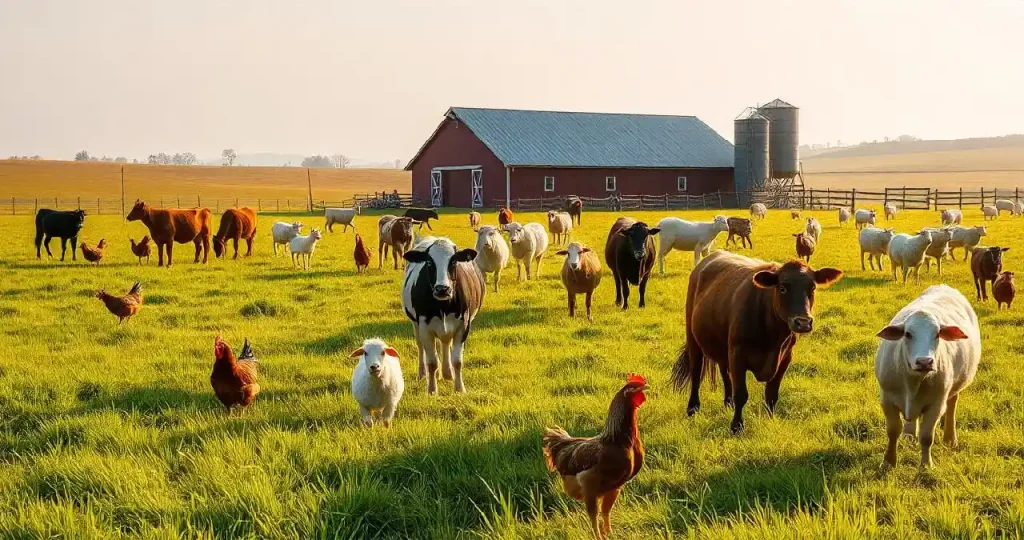
Despite having one of Africa’s largest livestock populations, including roughly 58.7 million cattle, 60.2 million sheep, 107.8 million goats, and nearly 700 million poultry, Nigeria continues to face low productivity due to constraints in feed availability, genetics, animal health systems, and market infrastructure.
The government’s reform agenda includes improving feed and fodder systems, strengthening animal health services, expanding access to finance, and investing in data and infrastructure across the livestock value chain.
Iyayi noted that a key priority is unlocking affordable financing for farmers, warning that high borrowing costs remain a major barrier to investment.
Stakeholders at the forum agreed that food security must be treated as a national priority, warning that rising food prices and supply disruptions could fuel broader socio-economic instability, if left unaddressed.