

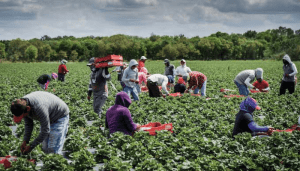




Despite growth projections in the global cocoa and coffee sectors, African farmers said they are facing worsening economic conditions, warning that the industry’s expansion is masking a deep and persistent crisis at the production level.
The Cocoa and Coffee Farmers Alliance Association of Africa (COCEFAAA) has equally called for urgent global intervention, arguing that farmers across West, East, and Central Africa are bearing the brunt of extreme price volatility, even as global markets surge toward historic valuations.
In a statement by the Global President, COCEFAAA, Adeola Adegoke, the cocoa and coffee industries are entering a period of strong long-term growth, noting that the cocoa and chocolate market is projected to rise from about US$169 billion in 2025 to nearly US$246 billion by 2031, driven by increasing demand for premium and dark chocolate products, especially in Europe and emerging markets in Asia.
According to him, the global coffee market is expected to grow from approximately US$284 billion, to around US$486 billion by 2035, fuelled by premiumisation and the rapid expansion of ready-to-drink coffee products.
“However, COCEFAAA warns that this growth is not being reflected in farmer incomes. Instead, smallholder producers, who account for a significant share of Africa’s cocoa and coffee output, are increasingly exposed to unstable pricing structures that often fall below production costs.
“Across many farming communities, the impact is severe. Farmers report reduced ability to afford fertilisers, labour, and climate-resilient seedlings. In some areas, families are withdrawing children from school or cutting back on healthcare expenses, as incomes fluctuate sharply with global commodity prices”, he added.
COCEFAAA describes farmers as economic shock absorbers within the global supply chain, absorbing losses when prices fall while seeing limited benefit when prices rise. The association argued that this imbalance is undermining long-term sustainability in the sector.
Climate change is compounding these challenges. Rising temperatures and shifting rainfall patterns are reducing yields in traditional growing regions, forcing some farmers to relocate to higher altitudes or abandon farms entirely. At the same time, the industry is shifting toward more heat-resistant varieties such as Fine Robusta coffee, which COCEFAAA says presents both a challenge and an opportunity for African producers, if supported with the right investment.
The association warns that without structural reform, global supply chains could become unstable. Declining farmer incomes, it says, will eventually lead to reduced production capacity, threatening the very growth forecasts that the industry relies on.
“To address these challenges, COCEFAAA is calling for three major policy shifts. First, increased investment in agricultural research and development, particularly in drought-resistant, pest-resistant, and early-maturing crop varieties.

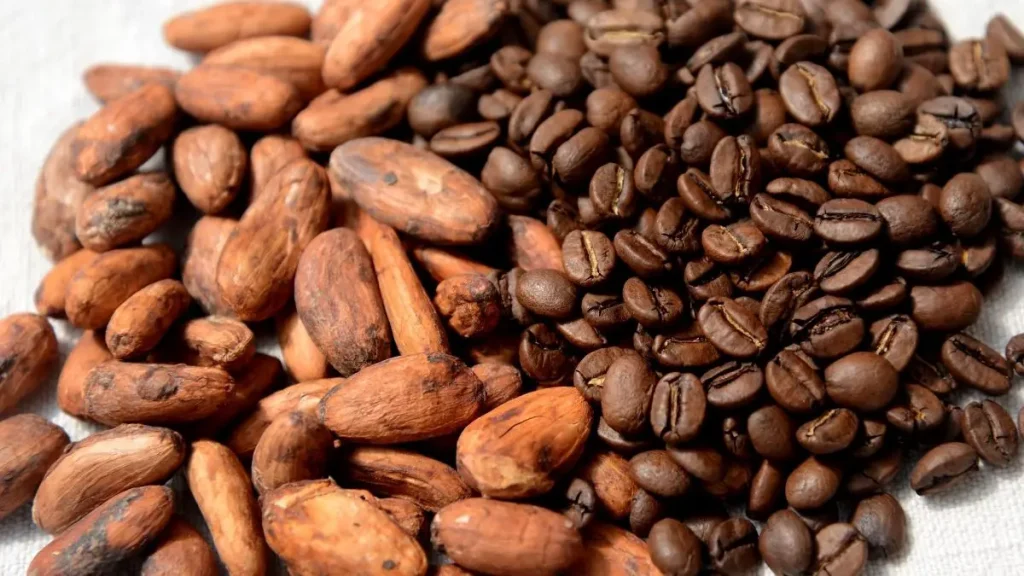
“Second, greater investment in local processing and value addition, including domestic roasting and cocoa processing facilities, to ensure more value remains within Africa rather than being captured overseas.
“Third, stronger regional cooperation among African producing countries to improve collective bargaining power and reduce exposure to global price shocks”, the statement added.
The organisation is also urging global buyers and manufacturers to adopt long-term purchasing agreements that guarantee stable and livable incomes for farmers, alongside increased investment in training, inputs, and climate adaptation support.
COCEFAAA further highlighted the importance of expanding trade relationships beyond traditional markets, pointing to growing demand in Asia and India as a strategic opportunity for diversification and stability.
“We can not talk about a multi-billion-dollar cocoa and coffee industry while the people, who produce these commodities struggle to survive”, the association noted.
“If global projections for 2031 and 2035 are to be realised, then farmers must be placed at the centre of the value chain, not at its margins”, it added.
The organisation concluded that the future of the cocoa and coffee industries will depend, not only on market growth, but on whether that growth is shared more equitably with the millions of farmers, who sustain it.
“The message from Africa’s producers is clear: the boom in global markets must not continue to coexist with crisis at the farm level”, Adegoke stressed.