





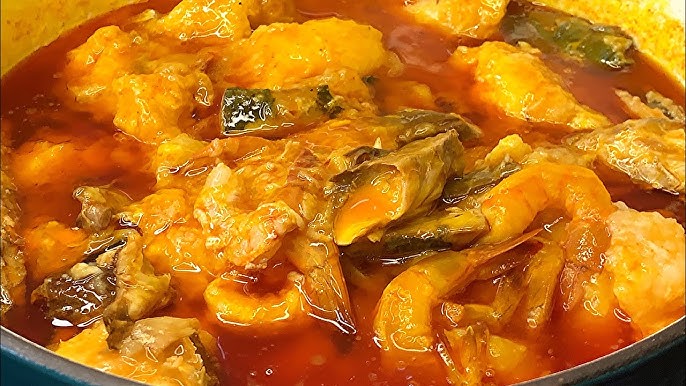
Nigeria is home to many rich and flavourful traditional dishes, and among the most unique is ikokore. Popular among the Ijebu people of Ogun State, ikokore is a delicious water yam pottage known for its soft texture, rich aroma, and satisfying taste. Beyond being a beloved cultural meal, ikokore also plays an important role in supporting agriculture, local food production, and small-scale economic activities. Since its primary ingredient is water yam, a crop cultivated by many local farmers, the growing popularity of ikokore contributes directly to agricultural development and rural livelihoods.
Ikokore is a traditional Nigerian dish made from grated water yam cooked in a richly-seasoned broth containing palm oil, seafood, fish, meat, and local spices. Unlike regular yam porridge, ikokore has a distinctive texture because the grated water yam forms soft lumps, as it cooks. This gives the dish a thick, hearty consistency that many people find comforting and satisfying. Ikokore is often enjoyed as a complete meal because it contains carbohydrates, proteins, and healthy fats in one dish.
Origin and cultural significance of ikokore
Ikokore originates from the Ijebu people, a subgroup of the Yoruba ethnic group in southwestern Nigeria, especially in Ogun State. Traditionally, ikokore is prepared during family gatherings, festivals, traditional ceremonies, weekend meals, community celebrations. For many Ijebu families, ikokore is more than food, it is part of their cultural identity and culinary heritage. The process of preparing ikokore, especially grating the water yam, reflects traditional cooking methods that have been passed down through generations.
Main ingredients used in ikokore
To prepare authentic ikokore, you’ll need the following ingredients:
Water yam (grated)
Smoked fish
Dry fish
Crayfish
Periwinkle (optional)
Assorted meat
Palm oil
Pepper
Onions
Seasoning cubes
Salt
Optional ingredients
Scent leaves
Stockfish
Step-by-step guide on how to make ikokore
Step 1: Peel and grate the water yam: Wash, peel, and grate the water yam using a grater or food processor. Do not soak the grated yam in water, as its natural starch helps achieve the desired texture.
Step 2: Prepare the broth: Heat palm oil in a pot and add blended pepper, onions, and crayfish. Add water or meat stock, then include smoked fish, dry fish, stockfish, or assorted meat. Allow the mixture to simmer for several minutes.
Step 3: Add the grated water yam: Scoop portions of the grated yam into the broth gradually. Avoid stirring immediately so the yam can form soft lumps.
Step 4: Cook thoroughly: Allow the yam to cook properly before gently stirring to prevent it from breaking apart completely.
Step 5: Add seasoning: Add seasoning cubes and salt to taste. Include scent leaves or periwinkle, if desired. Let the ikokore simmer until thick, rich, and fully cooked.
Step 6: Serve hot: Ikokore is usually eaten alone because it is already filling and nutritious.
Tips for preparing delicious ikokore
Use fresh water yam for better flavour and texture
Avoid excessive stirring to preserve the yam lumps
Use seafood generously for authentic taste
Cook on low heat to allow flavours to blend properly
Balance the amount of water to avoid making it watery
Nutritional benefits of ikokore
Ikokore is packed with nutrients that make it both filling and nourishing, as:
Rich source of energy: Water yam contains carbohydrates that provide energy for daily activities.
Good source of protein: Fish, crayfish, meat, and seafood contribute protein needed for body growth and repair.
Contains healthy fats: Palm oil provides beneficial fats and vitamins.
Supports digestion: Water yam contains dietary fiber that may help digestion.
Economic benefits of ikokore
Ikokore contributes to economic growth in several ways, especially within local communities.
1. Supports water yam farmers: The major ingredient in ikokore is water yam, an important root crop grown by many Nigerian farmers. As more people consume ikokore, demand for water yam increases, farmers generate more income, more agricultural land is cultivated. This helps strengthen rural farming communities and improves livelihoods.
2. Creates market opportunities: Ikokore preparation involves several locally-sourced ingredients such as palm oil, fish, crayfish, pepper, and water yam. This creates income opportunities for traders, food vendors, and market women, who sell these agricultural products.
3. Encourages small food businesses: Many local restaurants and bukas now include ikokore on their menu due to increasing demand. This creates opportunities for food vendors, caterers, and small-scale food entrepreneurs. The dish also attracts cultural tourism as visitors seek to experience traditional Nigerian cuisine.
4. Promotes indigenous food preservation: The popularity of ikokore helps preserve traditional Nigerian food culture and encourages continued cultivation of indigenous crops like water yam. Without demand for traditional meals, some local crops may gradually lose economic value.
5. Stimulates agro-processing activities: Preparing ikokore involves processing agricultural produce into value-added meals. This supports local food-processing activities and increases the market value of farm products.
Relationship between ikokore and agriculture
Ikokore is directly connected to Nigeria’s agricultural sector because nearly all its ingredients are farm products. Agricultural products used in ikokore are water yam, palm fruits (for palm oil), pepper, onions, crayfish and fish from local fishing activities. As demand for Ikokore increases, farmers and food producers benefit from a stronger market for their products.
Importance of water yam in Nigerian agriculture
Water yam is one of Nigeria’s important root crops. Although, it is less commercially-popular than white yam, it remains valuable in many communities.
Benefits of water yam farming
Adaptable to tropical climates
Can be cultivated in different regions
Provides food security
Supports rural agriculture
Encouraging dishes like Ikokore helps increase awareness and demand for water yam farming
Why ikokore deserves more attention
Despite its rich taste and cultural value, ikokore is still less known outside southwestern Nigeria. Promoting the dish can encourage cultural appreciation, support local farmers, expand food tourism, and increase demand for indigenous crops. As interest in African cuisine continues to grow globally, ikokore has strong potential to gain wider recognition.
Conclusion
Ikokore is more than just a traditional meal, it is a symbol of culture, agriculture, and local economic activity. Its rich flavour, unique texture, and nutritional value make it one of Nigeria’s most treasured indigenous dishes. At the same time, the dish supports water yam farmers, local traders, food businesses, and agricultural supply chains across Nigeria. By preparing and promoting Ikokore, people not only preserve an important cultural tradition, but also contribute to the growth of local agriculture and rural economies.