



FarmingFarmersFarms (FFF), the specialised online newspaper focused on agriculture and the environment, has organised the Medical Literacy and Outreach Programme (MLOP), titled “Save a Life on the Farm”, designed for farmers, farm workers, families, agricultural reporters, community leaders, researchers, students, agricultural extension, health and community volunteers in the Odeda Local Government Area, Ogun State. Themed, “Don’t Chase the Snake: Save the Life!”, the event was held at Nawair-Ud-Deen Grammar School (Senior), Obantoko, Abeokuta, Ogun State on October 27, 2026.
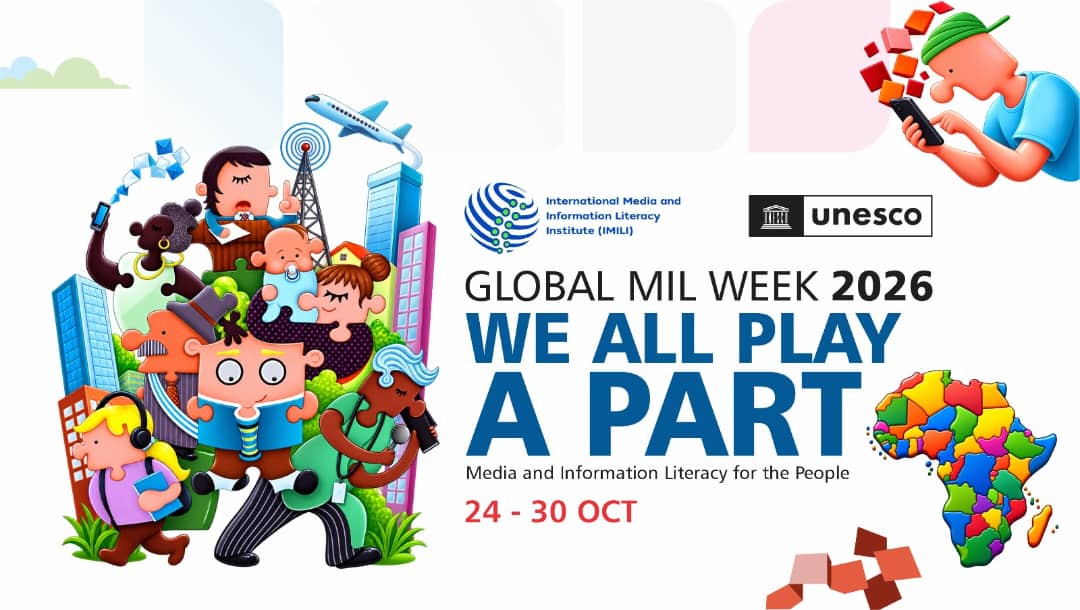
Hosting of MLOP coincided with the Global Media and Information Literacy (GMIL) Week, the United Nations Education, Scientific and Cultural Organisation’s annual platform for advancing the knowledge, skills, and values needed to access, assess, create, and share information responsibly. This year’s theme “We all Play a Part: Media and Information Literacy for the People”, has been described as a timely call to action, making information integrity a shared responsibility among public institutions, educators, community leaders, and farmers.
The International Media and Information Literacy Institute (IMILI), Nigeria is coordinating the activities in collaboration with the UNESCO Abuja Office, the UNESCO Regional Office for Eastern Africa (Nairobi), the Federal Ministry of Information and National Orientation, civil society, academic institutions, media organisations, and relevant private-sector partners. Participating countries were opportune to have visibility and a shared record of lessons and actions across the continent, while the implementation strategy adopted a multi-stakeholder approach, as IMILI provided technical assistance for FFF to put together MLOP.
At the occasion, Nigerian farmers were urged to prioritise prevention and prompt hospital care over harmful traditional practices when dealing with snakebites, as part of efforts to promote safety and protect livelihoods on farms. A medical practitioner, Dr. Jeffery Simeon stated this while presenting the keynote lecture titled: “Snakebite on the Farm: Prevention, First-aid and Emergency Response”, at the programme. The keynote speaker, who was also the facilitator, disclosed that a safe farm is a productive farm, noting that snakebite risk can be reduced by awareness, protective clothing, careful work habits and good farm management, saying that “When a bite occurs, the right response is simple: move away from danger, keep the victim still, seek emergency medical care immediately, and avoid harmful first-aid practices”.
According to him, every farm should have an emergency plan that is discussed with all farm workers and revisited periodically. “Where phone network is poor, a reliable alternative communication and transport arrangement should be identified in advance”, he said. The facilitator posited that farming is essential to food security and livelihoods, but farms can expose workers to snakes, scorpions, bees, wasps, centipedes and other animals, adding that a snakebite may be life-threatening, even though, many deaths and disabilities can be prevented through safer farm practices, calm first aid, rapid transport and appropriate hospital treatment. The lecture focused on practical actions that Nigerian farmers and their families can take before, during and after a bite, emphasising that the session was educational and does not replace assessment by a trained health professional.


An important safety message during the lecture reads: “A suspected snakebite requires urgent medical assessment. Keep the victim still and arrange immediate transport. Do not cut, suck, burn or tightly tie the bite”. The presentation equally outlined seven key take-home messages for farmers, which include: prevention is better than a cure; use boots, light, careful movement and tidy work areas; never chase, catch or kill a snake; move away and leave it alone; suspected snakebite is an emergency, even if the victim feels well; keep the person calm and still, immobilise the limb, remove tight items and arrange immediate hospital transport; never cut, suck, burn, ice, tightly tie or apply traditional substances to a bite; antivenom is a hospital treatment selected by trained clinicians, the right product and monitoring are essential; and prompt care saves lives.
Dr. Simeon referenced the World Health Organisation (WHO) fact sheets and guidelines on snakebite envenoming, regional and country resources on neglected tropical diseases, and advised that national health authorities and the receiving hospital’s current snakebite protocol should be consulted for locally-appropriate antivenom selection, pressure-immobilisation guidance, and referral pathways. He clarified that global estimates are approximate and national figures may be under-reported, adding that the lecture remained a community education resource and neither a substitute for emergency services, nor professional medical advice.
On the scale of the problem, the keynote speaker described snakebite as a neglected public health problem worldwide, citing the WHO estimates that about 5.4 million snakebites occur each year, resulting in roughly 1.8-2.7 million cases of envenoming, with an estimated 81,000-138,000 deaths annually, while many survivors suffer amputation, permanent disability, psychological distress or loss of income, noting that snakebite envenoming has a significant public health impact due to its substantial morbidity and mortality rates, and that in sub-Saharan Africa, there are over one million bites and 25,000 deaths, with over 10 per 100,000 rural Africans dying from snakebites.
He added that Africa carries a substantial burden, particularly in rural communities where people work barefoot or with inadequate protective equipment and where transport to equipped health facilities may be difficult, and that the true number of bites and deaths is likely undercounted because some victims first seek traditional treatment or do not reach a hospital. In Nigeria alone, the manual revealed that around 43,049 snakebite incidents occur yearly, with 5% fatal and 6% leading to amputations, making snakebite envenoming a health threat for rural farmers, worsened by financial, transportation and socio-cultural barriers.
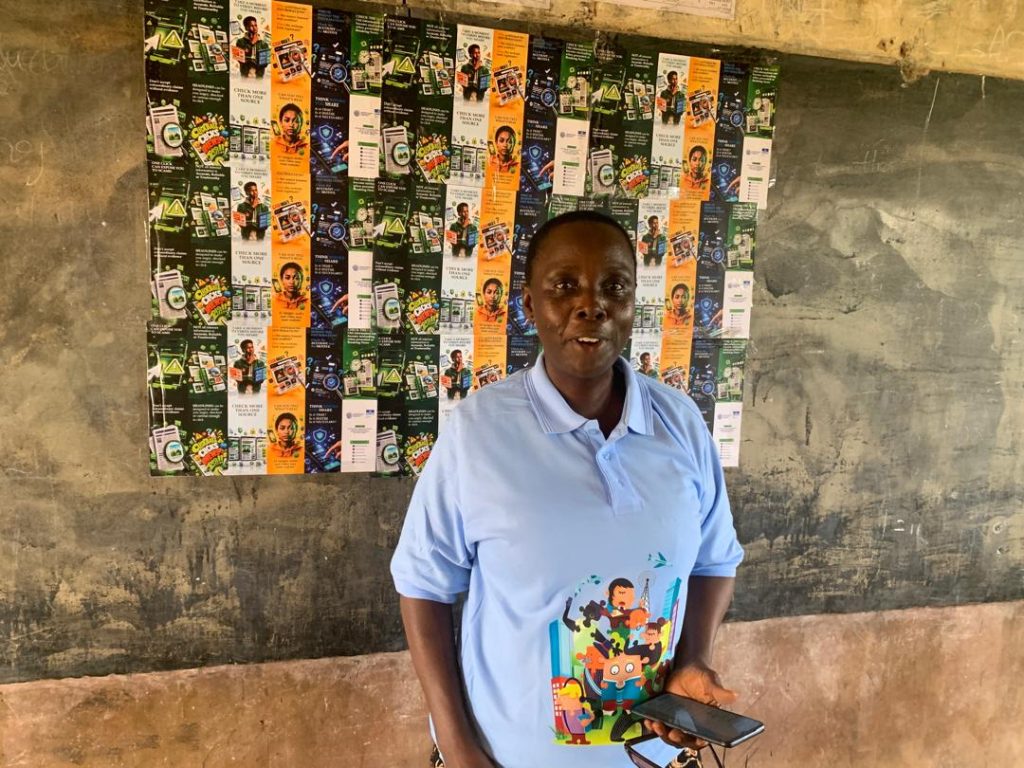
Earlier, the Programme Coordinator of MLOP 2026, Dr. (Mrs.) Mary Adebayo said the literacy and outreach was meant to address a critical issue that concerns every individual, the safety, health, and survival of farmers and their communities, stating that the theme, “Save a Life on the Farm, Don’t Chase the Snake: Save the Life!”, reminded everyone that the right knowledge and timely action can make the difference between life and death. She maintained that farmers are vital for food security and national development and, therefore, protecting their health and equipping them with essential medical knowledge is not just desirable, but necessary. “Through this outreach, we hope to learn practical ways to prevent farm-related injuries, respond appropriately to snakebites, and seek prompt medical attention when emergencies occur”, she added.
Dr. Adebayo, who is a teacher at the hosting school, appreciated FFF for the initiative and for choosing the school, as a venue for the programme that she described as ‘laudable and impactful’, while encouraging participants to listen attentively, ask questions and share the knowledge gained with their families, schools, farms and communities. Some participants also expressed delight over the knowledge gained on snakebite prevention and emergency response. A farmer, Mrs. Tawakalitu Orisadare, said she was happy to have learnt a lot about snakebites, noting that it is best to chase the snake away to save life than to attempt to kill it. She urged Nigerians to see agriculture as a business vital for national development and food security.
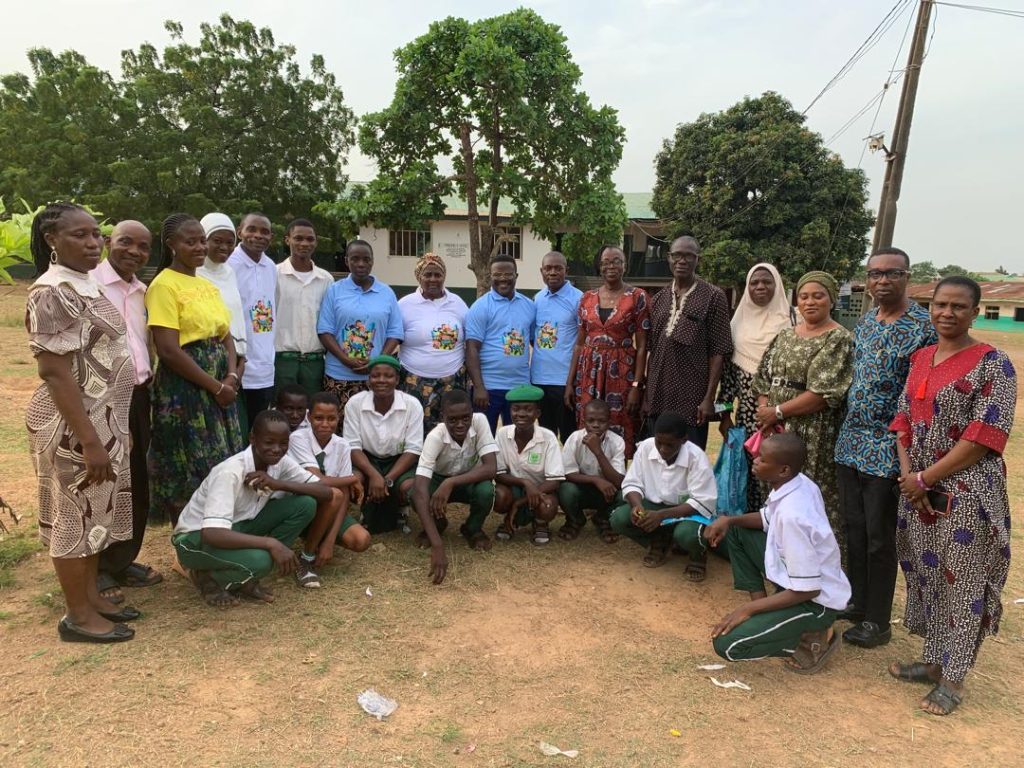
Another farmer, Mr. John Akande, said the programme had exposed him to better ways of securing and protecting himself against snakes on his farm. According to him, the event enabled him on measures to curtail snakebites and how to administer first-aid treatment before taking a victim to the hospital for proper treatment. A National Youth Service Corps (NYSC) member, Mrs. Toyosi Michael, said she had been exposed to preventive measures on snakebites and now knows what to do when such incidents occur to save lives. Similarly, a Senior Secondary School 3 student of the school, Mr. Fikayo Hassan, advised farmers not to rely on local medicines, but to seek proper medical attention by going to the hospital for effective treatment of snakebites. The participants commended FFF for the awareness programme, describing it as timely and impactful for farmers and rural communities, as they were given certificates of participation.
FarmingFarmersFarms promotes discourse on sustainable farming practices, precision agriculture, environmental protection, and food security through reports, features, editorials, interviews, and expert analyses. A recipient of notable support through grants such as the Nigeria Media Innovation Programme (NAMIP), implemented by the Media Development Investment Fund (MDIF), affiliated to the MacArthur Foundation, United States of America, FFF has advanced on the attainment of the United Nations Sustainable Development Goals (Agenda 2030) with specific reference to goals 2 (Zero Hunger), 12 (Responsible Consumption and Production) and 15 (Life on Land), to increase agricultural productivity, improve the resilience of food systems, and ensure access to nutritious and sustainable food for all.