
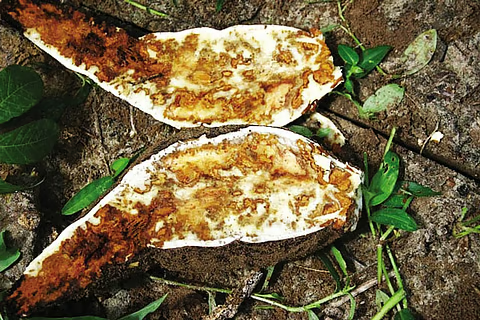
Cassava farmers in Kebbi State of Nigeria have been warned to remain vigilant against the spread of the deadly cassava mosaic virus capable of devastating farms and threatening food security across thr country.
The warning came during a sensitisation campaign, organised by the Central and West African Virus Epidemiology for Root and Tuber Crops in Tungar Noma community, Argungu Local Government Area, Kebbi State.
The awareness programme is aimed at educating farmers on the dangers of cassava diseases, particularly the emerging East African Cassava Mosaic Disease, Uganda variant, which experts described as one of the most destructive cassava diseases in Africa.
Speaking during the exercise, the Country Director of the centre, Prof. Ibrahim Muhammad said the organisation, in partnership with the Abdullahi Fodio University of Science and Technology, Aliero, had established six demonstration plots across the North-West and North-East to improve cassava production and strengthen disease control efforts.
According to him, although cassava mosaic disease already exists in Nigeria, several other dangerous cassava diseases found mainly in East Africa are gradually spreading towards West Africa. “We already have cassava mosaic disease in Nigeria, but there are about 11 other cassava diseases across Africa, especially in East Africa, which are gradually spreading westward”, he said.
He identified the East African Cassava Mosaic Disease, Uganda variant, as the most dangerous, noting that affected farmers could lose their entire harvest. “The disease is highly devastating because affected farmers may harvest nothing from their farms. It has already been reported in some West African countries, though not yet in Nigeria”, he added.
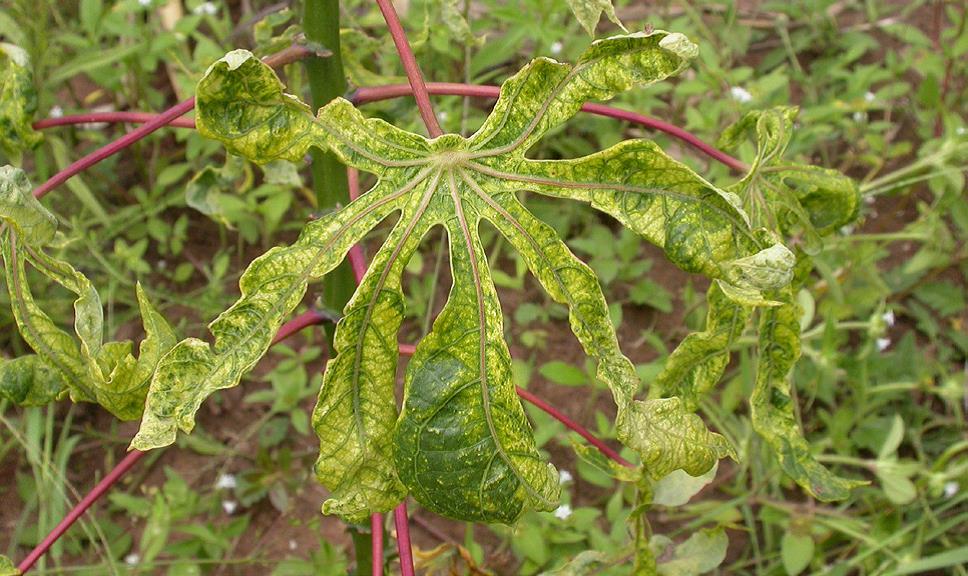
Muhammad explained that the sensitisation campaign was also designed to involve farmers in disease surveillance by encouraging them to promptly report unusual symptoms observed on their farms. He said flyers containing pictures of infected cassava plants, alongside contact phone numbers, had been distributed to farmers to aid early reporting and rapid intervention. “Nigeria remains the largest producer of cassava in the world. If this disease enters the country, the consequences could be catastrophic”, he warned.
The don stressed that early detection and swift response remain the most effective ways to prevent the virus from spreading. Muhammad further disclosed that the campaign was already producing positive results, as several farmers had begun contacting the centre whenever suspicious symptoms appeared on their cassava farms.
 Active journalism costs huge sums of money. To ensure quality and rich agricultural journalism, the support of readers and friends of the publication is required. Donations can be made in Nigerian Naira (NGN). Kindly provide relevant information during transactions and be assured that funds received will be used judiciously and appropriately. For donation to FarmingFarmersFarms, kindly click the link below, call or send message to: +2348095451987.