





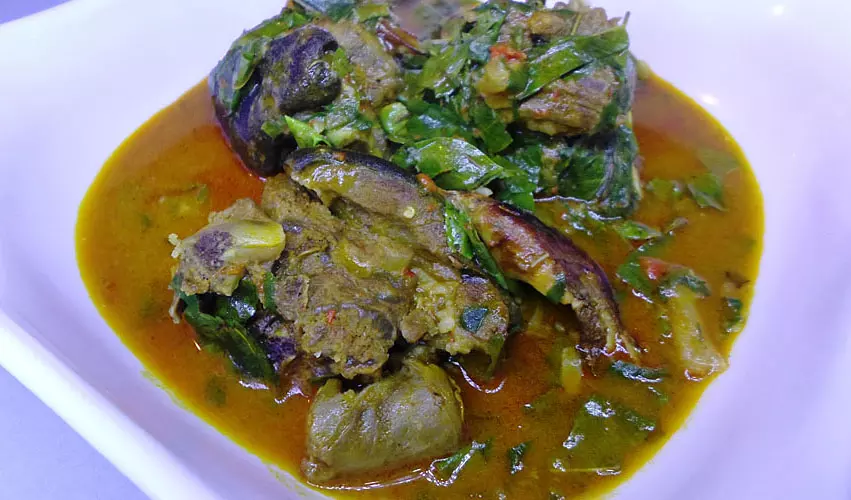
Oha soup is one of the most cherished traditional soups in Eastern Nigeria. Rich, aromatic, and deeply comforting, this soup is more than just a meal, it is a cultural symbol of hospitality, celebration, and family gatherings. Known for its distinctive flavour and tender oha leaves, this soup is often served during special occasions such as weddings, festivals, and important visits.
What is oha soup?
Oha soup is a traditional Nigerian soup native to the Igbo people of southeastern Nigeria. It is made using oha leaves, cocoyam paste as a thickener, palm oil, assorted meats, stockfish, and local spices. What makes oha soup unique is the use of fresh, tender oha leaves, which are added at the final stage of cooking to preserve their flavour and texture. Unlike many leafy soups, oha leaves are not sliced with a knife, they are traditionally shredded by hand to prevent bitterness.
The cultural importance of oha soup
Oha soup holds a prestigious place in Igbo culture. According to oral traditions and food historians, the soup was historically reserved for royalty and honoured guests. As noted by the Encyclopedia Britannica, traditional African soups often serve as social and ceremonial foods, symbolising unity and generosity. It reflects this tradition, as it is commonly prepared for gatherings and important celebrations.
Nutritional value
Oha soup combines leafy greens, protein, and healthy fats, making it a nutritionally balanced dish.
Oha leaves nutrition
Oha leaves are rich in dietary fiber, vitamin A, vitamin C, calcium, antioxidants. Leafy vegetables are widely recommended for daily consumption. According to the World Health Organisation (WHO), diets high in vegetables support immune health and reduce the risk of chronic diseases.
Protein content
The assorted meats and fish provide high-quality protein, iron, zinc, vitamin B12.
Health benefits of oha soup
1. Supports immune health: The vitamins and antioxidants in oha leaves help strengthen the immune system and protect the body against infections.
2. Promotes bone health: Calcium and magnesium from leafy vegetables and cocoyam support strong bones and teeth, especially important for women and older adults.
3. Aids digestion: Oha soup contains fiber from vegetables and cocoyam, which supports digestion and gut health.
4. Helps maintain healthy blood levels: Iron from meat and leafy greens help prevent anemia by supporting red blood cell production. According to the Harvard T. H. Chan School of Public Health, iron-rich foods are essential for energy levels and overall vitality.
5. Provides long-lasting energy: The combination of protein, fats, and carbohydrates makes oha soup filling and satisfying when eaten with swallow foods like fufu or pounded yam.

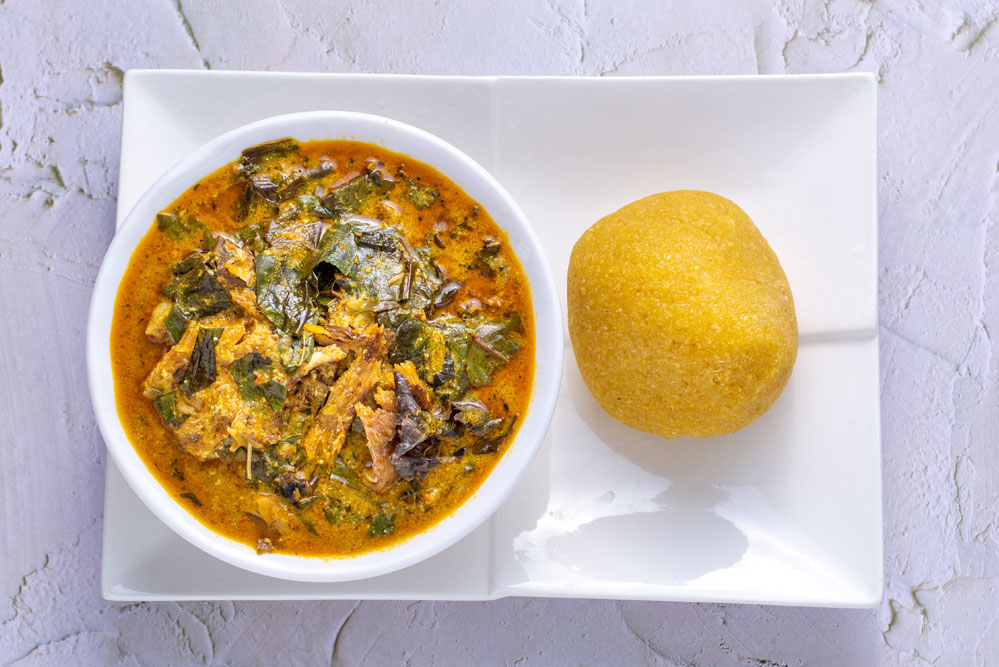
How to cook authentic Nigerian oha soup
Ingredients
· 2 cups of shredded fresh oha leaves
· 6–8 pieces of assorted meat (goat meat preferred)
· 1 cup of stockfish and dry fish
· 4 medium cocoyams
· ½ cup of palm oil
· 2 tablespoons of ground crayfish
· Uziza seeds or pepper (to taste)
· Salt and seasoning to taste
Step-by-step cooking method
1. Wash and cook the assorted meat with seasoning until tender.
2. Add stockfish and dry fish and continue cooking.
3. Boil cocoyams until soft, then peel and pound into a smooth paste.
4. Add palm oil and crayfish to the meat stock and stir well.
5. Gently add cocoyam paste in small portions to thicken the soup.
6. Add ground uziza seeds or pepper and simmer briefly.
7. Finally, add shredded oha leaves and stir gently.
8. Cook for 2–3 minutes and turn off heat. Serve hot with fufu, semolina, or pounded yam.
Common mistakes to avoid when cooking oha soup
· Cooking oha leaves for too long (destroys flavour and nutrients)
· Using a knife instead of hand-shredding the leaves
· Adding too much palm oil
· Skipping cocoyam, which gives authentic thickness
Is oha soup healthy?
Yes, oha soup is considered healthy when:
· Prepared with fresh ingredients
· Cooked with moderate palm oil
· Balanced with lean protein
Health experts emphasise variety and moderation, and oha soup fits well into a balanced traditional Nigerian diet.
Why oha soup remains a timeless Nigerian classic
Oha soup is a celebration of tradition, flavour, and nourishment. Its preparation reflects patience and respect for ingredients, while its taste connects generations through shared meals. Whether you are exploring Nigerian cuisine or reconnecting with traditional foods, oha soup remains a dish worth preserving and enjoying.