




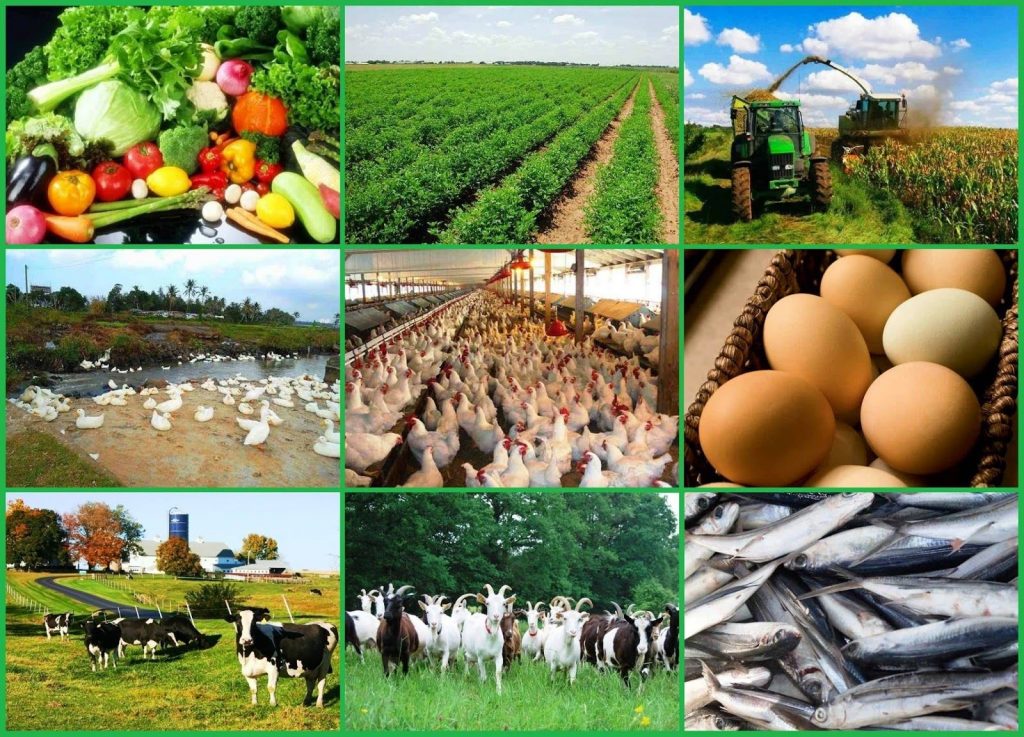
Nigeria’s agriculture sector appears to be brimming with more opportunities for foreign investors, and from mechanisation to dairy and food processing.
Wait a minute. The same market that promises scale and demand also presents real challenges. For international farmers and agribusinesses eyeing Nigeria, understanding these hurdles and the government’s push to address them is key to turning potentials into profit.
Insecurity remains the most immediate threat to agricultural investment. Attacks on farms and disruptions along rural supply routes have weakened food distribution and driven up rural inflation to 16.36%, going by official statistics. Foreign investors cite security risks as a top concern when considering large-scale farms or processing plants in key growing regions.
Energy costs and poor logistics continue to erode profit margins. The Lagos Chamber of Commerce and Industry (LCCI) recently called on the government to address energy and transport costs, as part of broader macroeconomic reforms.
Unreliable power and bad roads raise the cost of production, storage, and moving goods to market, making Nigeria less competitive than other investment destinations.
Post-harvest losses remain high due to inadequate cold chain and storage facilities. This forces farmers to sell quickly at low prices and limits the ability of processors to maintain consistent supply. For foreign firms focused on value addition, the lack of infrastructure increases capital requirements and operational risks.
Stabilising the foreign exchange (FX) market is a top request from the business community. FX volatility makes it harder for foreign investors to repatriate profits and plan long-term investments. While programmes like the United States Agency for International Development’s Feed the Future facilitate lending, many small and mid-sized investors still struggle to access affordable credits.

The LCCI had equally called for stronger coordination between fiscal and monetary authorities to sustain inflation moderation and restore investor confidence. Foreign investors often face overlapping regulations, delays in approvals, and policy shifts that create uncertainty. Clear and consistent policy signals are needed to build trust.
Nigeria’s farming sector is also dominated by smallholders with limited access to modern inputs, training, and technology. Foreign investors must often invest heavily in farmer training and input supply to secure raw materials. Bridging this productivity gap requires long-term partnerships with local communities and research institutions.
For export-oriented investors, meeting United States Food and Drug Administration and European Union food safety standards is non-negotiable. Analysts stress that Nigerian exporters must get labelling, traceability, and food safety right to succeed abroad. Building these systems from scratch raises costs, but it is essential for accessing premium markets.
According to government sources, although inflation has eased from 26.82% in April 2025 to lower levels in 2026, purchasing power of the people remains weak for many Nigerian households. This affects demand for processed and higher-value foods. Foreign investors in consumer-facing products must balance pricing with affordability to scale.
Also, securing large tracts of land for commercial farming can be complex due to customary land tenure systems and multiple layers of approval. This slows project timelines and increases transaction costs for foreign firms unfamiliar with local processes.
Meanwhile, stakeholders agree that durable solutions lie in productivity-driven reforms. Observers, including the LCCI, have reiterated that price stability will come from improved infrastructure, enhanced food security, and a more business-friendly operating environment.
This is why government commitments under the Renewed Hope Agenda to mechanise farms, expand irrigation, and support value chains, are the right steps in the right direction.
Foreign investors can also mitigate risks by partnering with local firms, leveraging programmes like the African Development Bank’s US$200 million facility for agro-processing, and using digital platforms for finance and strong market linkage.
With targeted reforms and stronger security, Nigeria’s agricultural sector can move from potential to performance for foreign investors within a very short time.