




Unemployment remains one of the most pressing challenges facing young people today, especially in developing countries like Nigeria.
Every year, thousands of graduates enter the labour market with high hopes, only to encounter limited job opportunities. In my view, one of the most practical and sustainable solutions to this growing problem is youth involvement in farming.
Agriculture, often underestimated and overlooked, holds immense potential, not just for food production, but for employment generation and economic transformation in many ways.
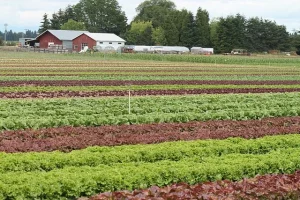
First, farming offers immediate and accessible employment opportunities. Unlike many white-collar jobs that require years of specialised training or limited vacancies, agriculture is a sector that young people can enter with relatively basic knowledge and gradually build expertise.
With access to land, seedlings, and simple tools, a young person can begin farming and start generating income within a short period. This makes it a realistic option for many unemployed youths, who may not have the luxury of waiting endlessly for office jobs.
Secondly, youth farming promotes entrepreneurship and self-reliance. Rather than depending solely on the government or corporate employment; young people can become employers of labour themselves. For instance, a young farmer, who starts with crop cultivation can expand into processing, packaging, and distribution, thereby creating a chain of business opportunities.
This not only provides income for the individual, but also creates jobs for others, reducing the overall unemployment rate.
Another reason I strongly believe in youth farming is its ability to boost food security while creating jobs. As the Nigerian population continues to grow, the demand for food increases. Engaging youths in farming ensures that this demand is met locally, reducing dependence on imports and strengthening the economy. In the process, more jobs are created across the agricultural value chain from production to transportation and marketing.
Moreover, modern agriculture is no longer limited to crude, labour-intensive methods. Rather, with the integration of technology, such as irrigation systems, improved seedlings, and digital marketing, farming has become more efficient and appealing. This transformation makes it easier for young people, who are already tech-savvy, to participate actively. It also changes the negative perception that farming is only for the uneducated or rural poor.

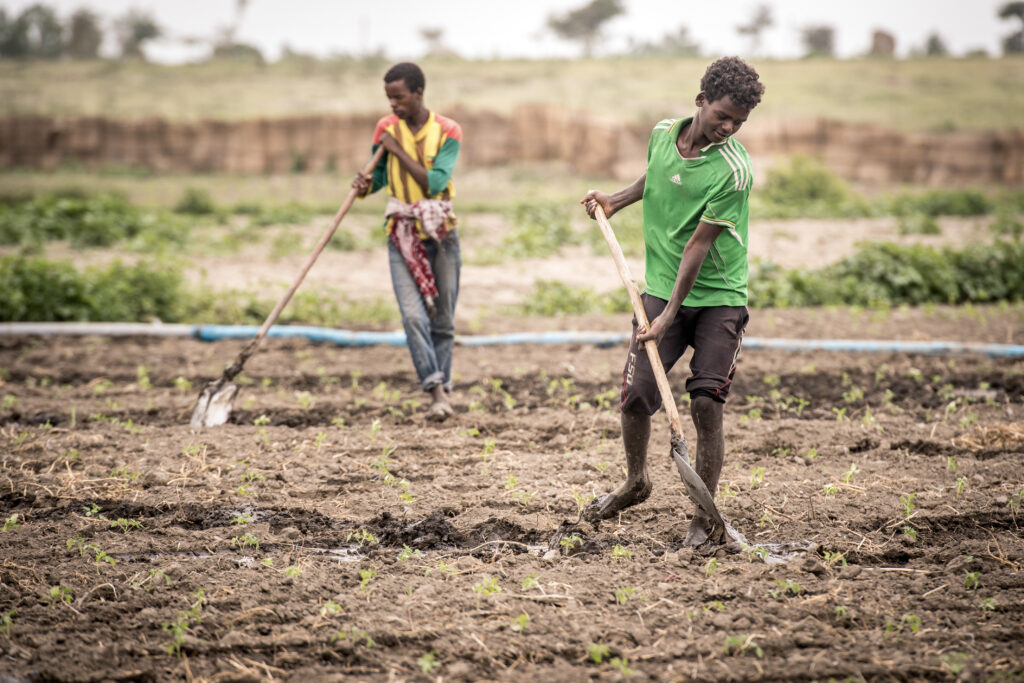
However, I acknowledge that there are challenges discouraging youth participation in farming, such as lack of access to funding, land ownership issues, and inadequate government support.
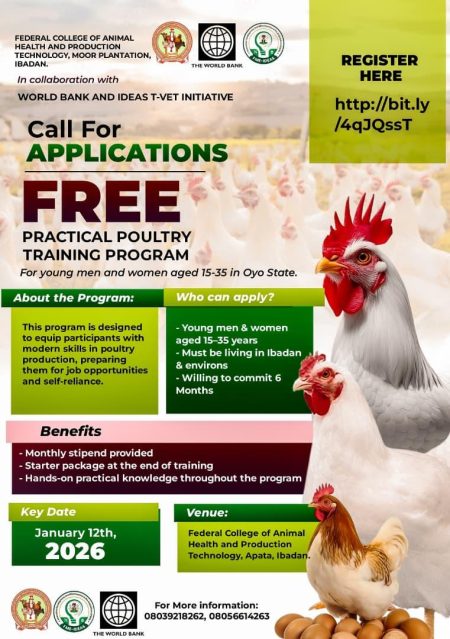
Despite these obstacles, I believe that with the right policies, training programmes, and incentives, these barriers can be overcome. Therefore, governments, private organisations, and educational institutions; all have a role to play in making agriculture attractive and accessible to young people.
In conclusion, I firmly believe that youth farming is a powerful tool for reducing unemployment. It can provide immediate job opportunities, encourage entrepreneurship, strengthen food security, and contribute to national development.
Consequently, rather than viewing farming as the last resort to earn a living, it should be embraced as a viable and profitable career path. If more young people begin to see agriculture through this lens, unemployment can be significantly reduced, and the future of the economy will be much brighter in our country.