





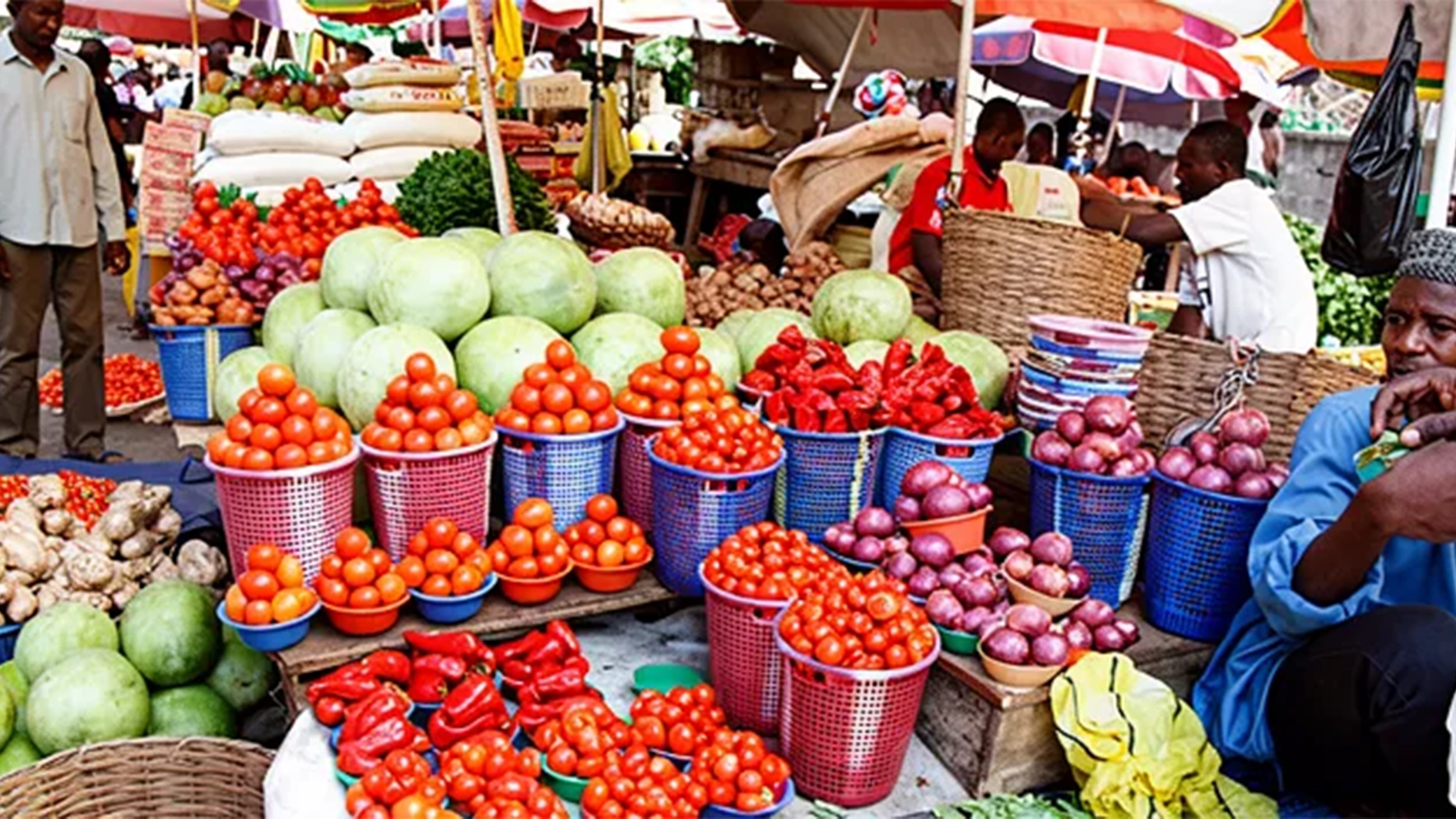
Food inflation hit a single digit of 8.89% in January of 2026, for the first time in a decade, in line with projections of analysts. This comes following an import waiver policy on select foods, which eases logistics bottlenecks and a steadier naira after years of sharp price increases that strained household budgets.
The last time Nigeria recorded single-digit food inflation was in May 2015, when the price index stood at 9.78%.
According to a report by the National Bureau of Statistics (NBS), the January reading was spearheaded by a monthly decline in prices of water yams, eggs, green peas, groundnut oil, soya beans, palm oil, maize (corn), beans, and other key grains found in Nigerians diet.
This led to a month-on-month deflation of 6.02% in the period, signalling that Nigerians enjoyed a significant respite in the cost of food prices in January.
The NBS report read, “The average annual rate of food inflation for the twelve months ending January 2026 over the previous twelve-month average was 20.29%, which was 18.18% points lower when compared with the average annual rate of change recorded in January 2025 (38.47%).
It had earlier been reported that “Economists see food prices cooling further in January 2026 ahead of the official data due on the 15th of February, effectively exiting the double-digit mark”.
“This will align the West African nation with its peers like Kenya and Ghana, which recorded 7.8% and 3.9% food inflation, respectively, in January 2026.
Headline inflation sustained its winning streak, cooling further to 15.10%.

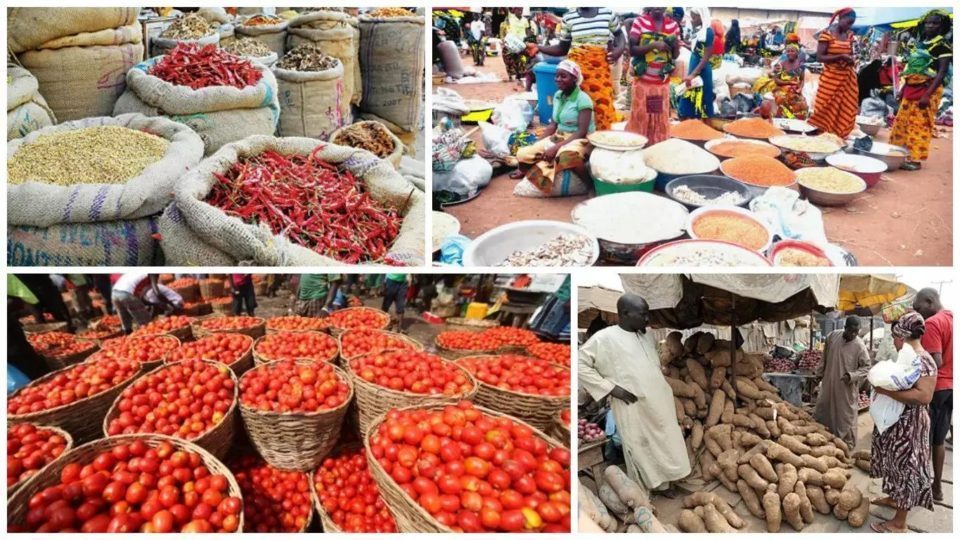
A breakdown of the data shows that prices of food and non-alcoholic beverages rose by 6.04% year on year, while housing, water, electricity, gas and other fuels climbed 1.27%, transport rose 1.61%, restaurants and accommodation services increased 1.95%, and health surged by 0.91%.
On a state level, food inflation in the period was highest in Kogi at 19.84%, Benue at 18.38%, followed by Adamawa at 17.29%. While Ebonyi, Abia, and Imo States recorded the lowest rises at 1.69%, 3.23%, and 3.74%, respectively.