



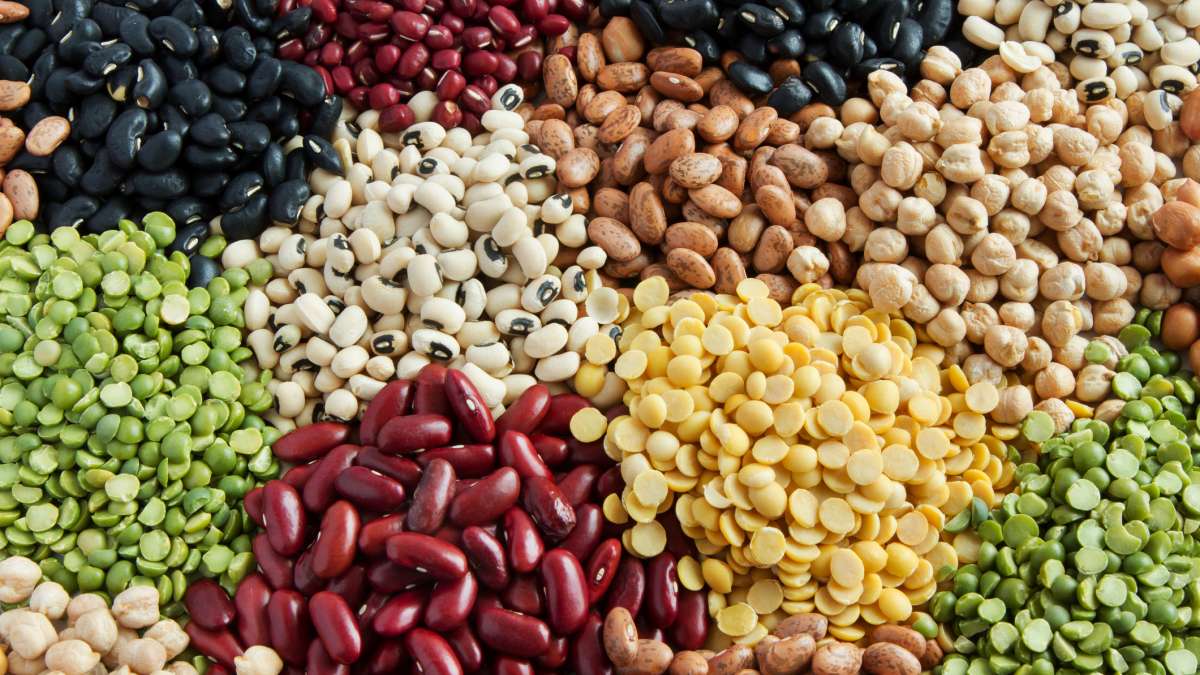
Beans are one of the most underrated, yet powerful foods in the Nigerian diet. From akara to moi–moi, porridge beans to beans and plantain, this humble legume has fed generations, providing strength, energy, and nourishment at an affordable cost. But beyond being a budget-friendly pantry staple, beans are a true superfood packed with nutrients that support growth, energy, heart health, digestion, and long-term wellness. If you’re looking to improve your health or find healthier food options for your family, beans deserve a permanent space on your plate.
Why beans are so important in the Nigerian diet
In many Nigerian households, beans are a weekly (even daily) staple, and for good reason. They are affordable, widely available, highly nutritious, versatile for cooking, and suitable for children and adults. From local markets to home kitchens, beans continue to be a foundational food across regions because they provide essential nutrients that many families struggle to get from other foods.
Nutritional profile of beans
According to the United States Department of Agriculture (USDA) Food Composition Database, beans are rich in protein, dietary fiber, complex carbohydrates, iron, potassium, magnesium, folate (vitamin B9), and antioxidants. They are also naturally low in fat and contain no cholesterol, making them a perfect food for heart health and healthy weight maintenance.
Health benefits of beans
1. Beans are a powerful source of protein. Protein is essential for growth and repair of body tissues, building muscles, and strengthening the immune system. Beans offer plant-based protein, making them ideal for children, athletes, women, and anyone trying to reduce meat intake. The Journal of Food Science and Nutrition identifies beans as one of the richest plant-based protein sources globally.
2. Beans support heart health: Beans contain soluble fiber that helps remove excess cholesterol from the bloodstream, reducing the risk of high cholesterol, hypertension, and heart disease. The American Heart Association highlights beans as a top heart-healthy food due to their fiber and antioxidant content.
3. Great for digestion and gut health: Beans promote bowel movement, prevent constipation, and support gut bacteria. The fiber helps maintain digestive balance and improves long-term gut health. A study in the Journal of Nutrition shows that diets rich in fiber improve digestive health and reduce the risk of colon-related illnesses.
4. Excellent source of iron: Iron helps prevent iron deficiency anemia, a common issue among women and children. Beans provide plant-based iron that supports healthy blood formation, increased energy, and improved oxygen flow in the body. The World Health Organisation (WHO) recognises legumes like beans as essential iron sources, especially in low-cost diets.
5. Promotes healthy weight management: Beans keep you full for longer because of their high fiber and protein content. This helps reduce overeating, support weight loss, and maintain stable energy levels, beans digest slowly, preventing sudden spikes in blood sugar.
6. Boosts energy levels naturally: The combination of iron, protein, and complex carbohydrates makes beans a powerful energy food. This is especially beneficial for growing children, pregnant women, and people with high physical activity.
7. Excellent for bone health: Beans contain magnesium, calcium, and phosphorus, which help strengthen bones, support nerve function, and improve muscle contraction. These minerals are especially important for women and older adults.
Types of beans commonly eaten in Nigeria
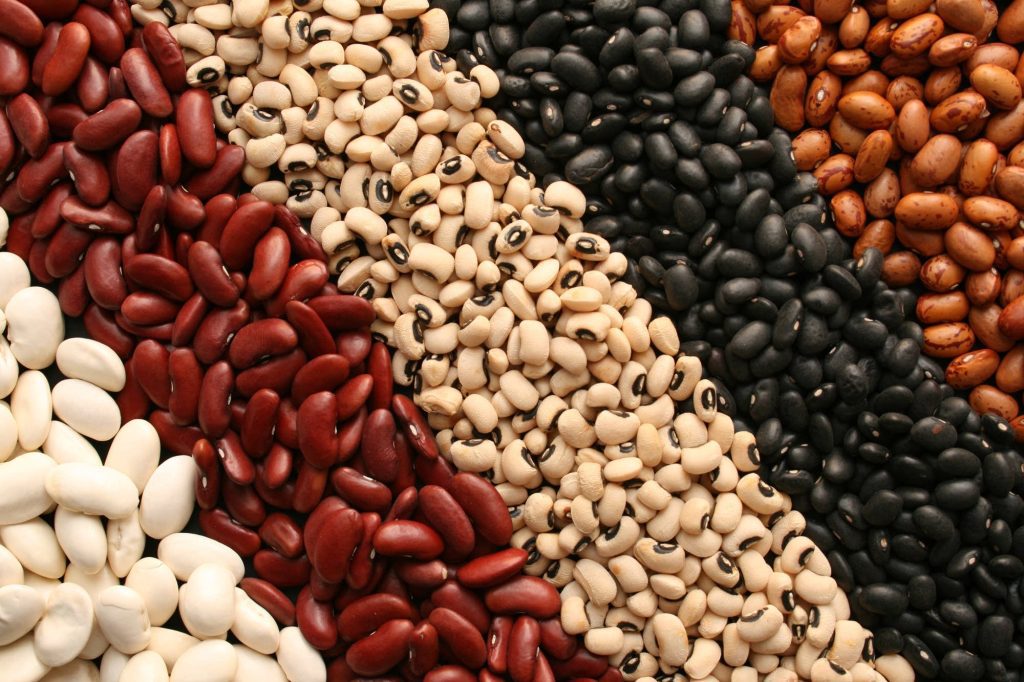
Nigeria is home to many varieties of beans, including:
· Brown beans (Oloyin)
· Black-eyed beans
· White beans
· Honey beans
· Red kidney beans
· Soybeans
Each variety offers slightly different nutrients, but provides excellent health benefits across the board.
Delicious Nigerian ways to enjoy beans
Beans are incredibly versatile. Here are tasty ways Nigerians prepare them:
1. Beans porridge (ewa riro or beans pottage): Rich, comforting, and filled with spices.
2. Moi-moi: Steamed bean pudding made with peppers, onions, and sometime fish or eggs.
3. Akara: Crispy bean fritters perfect for breakfast or snacks.
4. Beans and plantain: A balanced meal combining protein and healthy carbs.
5. Gbegiri soup: A smooth bean-based soup enjoyed mostly in Western Nigeria.
6. Beans and yam: Hearty, affordable, and filling.
7. Beans and garri: A classic Nigerian combination.

How to reduce gas, bloating from beans
Many people avoid beans because they cause bloating. Here’s how to reduce that:
· Soak beans overnight
· Cook with ginger or scent leaves
· Add onions and bay leaves
· Rinse beans once or twice before cooking
These methods help break down oligosaccharides – the natural sugars responsible for gas.
Who should eat beans more often?
Beans are especially beneficial for children – for growth and strong bones, pregnant women – for iron and folate, older adults – for heart and digestive health, vegetarians/vegans – for plant-based protein, people trying to lose weight.
Conclusion
Beans are not just an affordable meal they are a nutrient-dense superfood that every Nigerian family should embrace. Whether you enjoy them as porridge, moi–moi, akara, or with plantain, beans provide protein, energy, fiber, iron, and essential minerals needed for a healthy life. From childhood to old age, beans support growth, heart health, weight control, digestion, and long-term wellness. Adding beans to your diet is a simple and powerful step toward better health.