





Introduction
When it comes to Nigerian cuisines, rice is a star ingredient. But not all rice is created equally. Beyond the popular white rice lies a local treasure, ofada rice. Known for its unique aroma, flavour, and rich nutrients, ofada rice is more than just food, it’s a cultural symbol and a superfood with powerful health benefits. If you’ve ever attended a Nigerian party, wedding, or Sunday lunch, chances are you’ve seen a steaming plate of ofada rice served with its signature spicy stew. But what exactly makes ofada rice special? And why should you add it to your diet? Let’s dive in.
What is ofada rice?
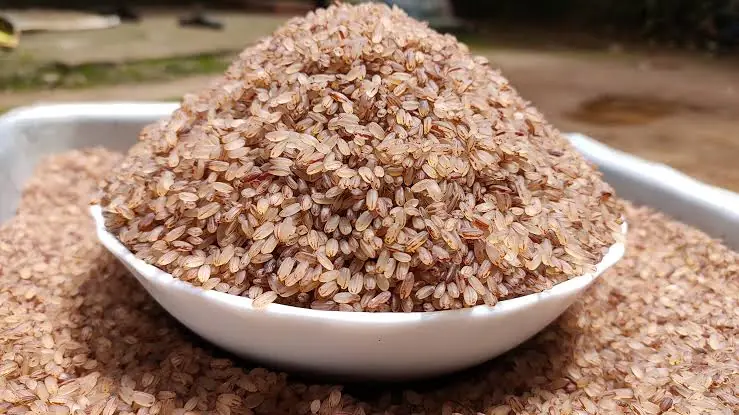
Ofada rice is a locally-grown, unpolished, short-grain rice native to Nigeria, particularly the southwest. Unlike regular white rice, ofada is minimally-processed, which means it retains its outer layers (bran and germ) packed with nutrients. Its slightly brown colour, chewy texture, and distinct aroma make it stand out. Some people describe the smell as earthy, which comes from the way it’s parboiled and sun-dried in traditional methods.
Nutritional value of ofada rice
Ofada rice isn’t just tasty; it’s loaded with nutrients that support overall health.
· High in fiber: aids digestion, supports weight management, and balances hormones
· Rich in B vitamins: boosts energy and brain function
· Packed with iron and zinc: fights anemia and strengthens the immune system
· Contains magnesium and phosphorus: supports bone and heart health
· Low glycemic index (GI): good for managing blood sugar levels
This makes ofada rice an excellent option for women, diabetics, fitness enthusiasts, and anyone looking to eat healthier.
Health benefits of ofada rice
1. Supports heart health: Ofada rice is rich in magnesium and healthy fiber, which help regulate blood pressure, reduce cholesterol, and promote cardiovascular health
2. Good for weight management: Because it’s unpolished and fiber-rich, ofada rice digests slowly, keeping you full longer and preventing overeating
3. Helps prevent anemia: With its high iron content, ofada rice supports red blood cell production, reducing the risk of anemia, especially important for women
4. Promotes Healthy Digestion: The fiber in ofada rice prevents constipation and promotes a healthy gut
5. Strengthens bones and muscles: Packed with phosphorus, magnesium, and protein, ofada rice helps maintain bone density and supports muscle recovery
How to cook ofada rice (step-by-step guide)
Ingredients
· 2 cups of ofada rice
· 4 cups of water
· Salt to taste
· A little oil or butter (optional)
Instructions
1. Rinse the rice: Wash thoroughly to remove dirt and debris (Ofada rice is often sold unpolished)
2. Parboil: Add rice to a pot with water, boil for 10 minutes, then drain. This reduces the earthy smell and extra starch
3. Cook: Add fresh water (about double the rice), cover, and cook on low heat until soft (25-30 minutes)
4. Fluff and serve: Allow to steam, then fluff with a fork. Serve hot with stew
Ofada rice is best enjoyed with the famous “Ofada stew” (Ayamase) made with green peppers, assorted meats, and palm oil.


Cultural significance of ofada rice
Ofada rice isn’t just a meal, it’s a statement. It’s often served at celebrations, parties, and weddings in Nigeria. Many people even prefer it over jollof rice because of its unique taste and health benefits.
In Yoruba culture, ofada rice symbolises hospitality, tradition, and abundance. Today, it’s also gaining global recognition as a healthier alternative to imported rice varieties.
Pro tips for enjoying ofada rice
· Pair it with ayamase (Ofada stew) for an authentic experience
· Add vegetables on the side for extra nutrition
· Store in an airtight container to preserve freshness
· If the smell is too strong for you, rinse thoroughly and parboil before cooking
Frequently Asked Questions (FAQ)
Q1: Is Ofada rice the same as brown rice?
Not exactly. Ofada rice is a Nigerian variety of unpolished rice, while brown rice refers to unpolished rice in general. They’re similar in nutrition, but different in flavour and texture
Q2: Is Ofada rice good for diabetics?
Yes, Ofada rice has a lower glycemic index than white rice, making it better for managing blood sugar
Q3: Can I eat Ofada rice every day?
Absolutely! It’s healthy enough for daily consumption, but balance it with vegetables, proteins, and healthy fats
Q4: Why does Ofada rice have a strong smell?
The earthy aroma comes from traditional sun-drying and parboiling methods. Proper washing and cooking reduce the intensity
Conclusion
Ofada rice is more than just food, it’s a superfood packed with nutrients, cultural heritage, and flavour. From supporting heart health to improving digestion and preventing anemia, it’s one of Nigeria’s healthiest staples. Whether you’re on a fitness journey, managing health conditions, or simply want to eat better, switching to ofada rice is one of the best decisions you can make for your health. So, next time you’re planning a meal, you may skip the white rice and go for a hearty plate of ofada rice with stew, you’ll thank yourself later!