
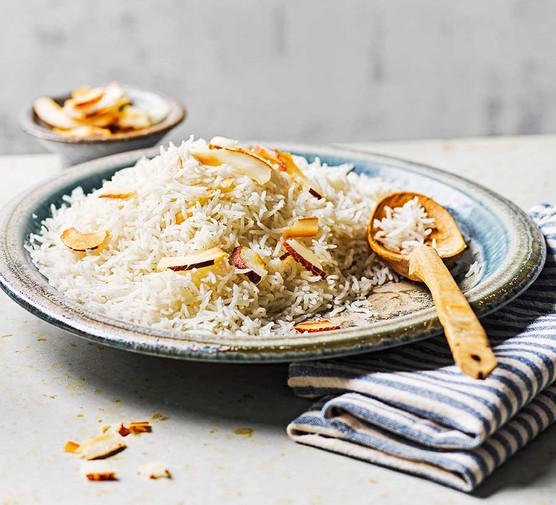
Coconut rice is one of those meals that feels both comforting and special at the same time. Rich, aromatic, and naturally creamy, this dish is loved across Nigeria for its irresistible flavour and simplicity. Whether cooked for family lunch, festive occasions, or as a comforting weekday meal, coconut rice stands out as a dish that turns everyday rice into something truly memorable. Beyond its delicious taste, coconut rice also offers nutritional benefits, especially when prepared with fresh ingredients and balanced portions.
What is coconut rice?
Coconut rice is a rice-based dish cooked in fresh coconut milk or coconut extract instead of plain water or stock. The coconut milk infuses the rice with a mildly sweet, nutty flavour and a creamy texture that sets it apart from other rice dishes. In Nigeria, coconut rice is commonly prepared with long-grain or basmati rice, fresh coconut milk, onions, bell peppers, tomatoes (optional), vegetable oil or coconut oil, spices and seasoning, protein such as fish, shrimp, chicken, or beef. The Nigerian version often balances coconut richness with savoury spices, making it neither too sweet nor overpowering.
The origin and cultural significance of coconut rice
Coconut rice is popular across many tropical regions of the world, including Southeast Asia, the Caribbean, and West Africa. In Nigeria, it is especially common in coastal regions, where coconuts are abundant. According to the Encyclopedia Britannica, coconuts have been cultivated for thousands of years in tropical climates and are valued for both culinary and medicinal uses. Nigerian coconut rice reflects this long-standing relationship between coastal communities and coconut farming. Over time, Nigerian cooks adapted coconut rice to local tastes by adding peppers, onions, spices, and proteins commonly used in traditional cooking.
Why coconut rice is so popular in Nigeria
Coconut rice remains a favourite because it is easy to prepare, naturally flavourful, versatile (can be mild or spicy), suitable for both everyday meals and celebrations, easily paired with proteins and vegetables. Its unique aroma alone is often enough to draw people into the kitchen.
Nutritional value
Coconut rice combines the nutritional benefits of rice with the healthy fats and micronutrients found in coconut milk.
Rice nutrition
Rice is a major source of carbohydrates, which the body uses as its primary energy source. According to the United States Department of Agriculture (USDA), rice also provides small amounts of protein, B vitamins, and minerals like magnesium.
Coconut milk nutrition
Coconut milk contains healthy fats (medium-chain triglycerides), iron, potassium, magnesium, and antioxidants.
Health benefits of coconut rice
1. Provides sustained energy: The carbohydrates in rice supply quick energy, while the fats in coconut milk slow digestion slightly, helping you feel fuller for longer. This makes coconut rice a satisfying meal that supports daily activity.
2. Supports heart health (when eaten in moderation): Coconut milk contains medium-chain triglycerides (MCTs), which some studies suggest may support heart health when consumed in moderate amounts. According to the Harvard T. H. Chan School of Public Health, moderation is key, as coconut milk is high in saturated fat.
3. Rich in essential minerals: Coconut milk contributes minerals such as potassium (supports blood pressure regulation), magnesium (important for muscle and nerve function) and iron (supports oxygen transport in the blood).
4. Naturally dairy-free: Coconut rice is a great option for people who are lactose–intolerant or prefer dairy-free meals.
5. Easily adaptable for healthy diets: With the right cooking method, coconut rice can fit into balanced diets, including weight management and active lifestyles.
Is coconut rice healthy?
Coconut rice can be healthy, depending on portion size, type of rice used, amount of coconut milk, added ingredients. Health experts, including the World Health Organisation (WHO), recommend limiting saturated fat intake. This means coconut rice is best enjoyed in moderation and paired with vegetables and lean protein.
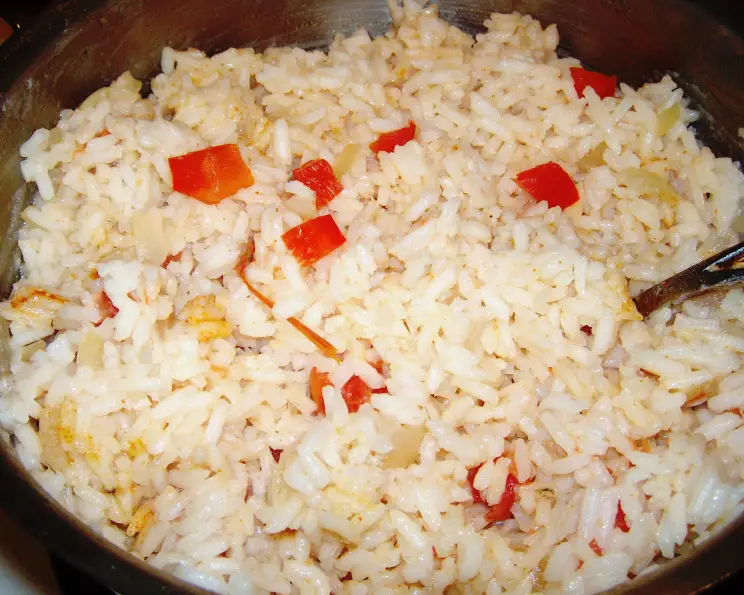
How to make coconut rice healthier
Here are simple ways to improve its nutritional value:
· Use brown rice instead of white rice for more fiber
· Dilute coconut milk with water or stock
· Add plenty of vegetables like carrots, green beans, peas, and spinach
· Use lean proteins such as fish or grilled chicken
· Cook with minimal oil
· Avoid excessive seasoning cubes and salt
Step-by-step Nigerian coconut rice recipe
Ingredients
· 3 cups of long-grain rice
· 2 cups of fresh coconut milk
· 1 cup of water or light stock
· 1 medium onion (chopped)
· 1 cup of mixed vegetables
· 2 tablespoons of vegetable or coconut oil
· Salt and seasoning to taste
· Protein of choice (fish, shrimp, or chicken)
Instructions
1. Wash and parboil the rice lightly.
2. Heat oil in a pot and sauté onions until fragrant.
3. Add coconut milk and water or stock.
4. Season lightly and bring to a gentle boil.
5. Add the parboiled rice and protein.
6. Reduce heat and cook until the liquid is absorbed.
7. Add vegetables during the last few minutes of cooking.
8. Stir gently and serve hot.
Common mistakes to avoid when cooking coconut rice
· Using too much coconut milk, making the dish overly oily
· Cooking on high heat, which can cause burning
· Over-stirring, which makes the rice mushy
· Adding vegetables too early, causing nutrient loss
Why coconut rice will always be a classic
Coconut rice perfectly balances flavour, aroma, and comfort. It showcases how simple local ingredients can be transformed into something extraordinary. When prepared thoughtfully, it is not just delicious, but also nourishing. Whether served with fried plantains, grilled fish, or a fresh vegetable salad, coconut rice remains a timeless Nigerian favourite.
 Active journalism costs huge sums of money. To ensure quality and rich agricultural journalism, the support of readers and friends of the publication is required. Donations can be made in Nigerian Naira (NGN). Kindly provide relevant information during transactions and be assured that funds received will be used judiciously and appropriately. For donation to FarmingFarmersFarms, kindly click the link below, call or send message to: +2348095451987.