
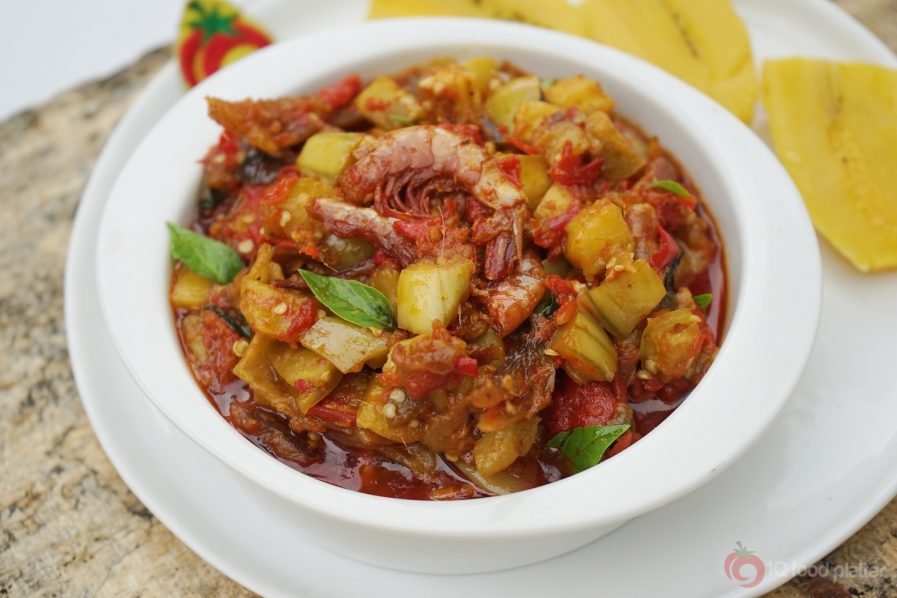
Garden egg sauce is one of Nigeria’s most underrated traditional dishes. Simple, earthy, and deeply satisfying, this sauce celebrates the humble garden egg (African eggplant) and transforms it into a comforting meal enjoyed across many Nigerian homes. Whether paired with boiled yam, rice, plantain, or even eaten on its own, garden egg sauce is proof that delicious food doesn’t need to be complicated. Beyond its taste, this dish also offers impressive nutritional benefits that make it worthy of more attention.
What is garden egg sauce?
Garden egg sauce is a traditional Nigerian dish made primarily from garden eggs (African eggplant), onions, peppers, oil, and seasoning. Depending on the region and household preference, it may also include: palm oil or vegetable oil, crayfish, smoked fish or dried fish, ugu or scent leaves, tomatoes (optional). The sauce is usually chunky, slightly smoky, and mildly bitter–qualities that make it unique and satisfying.
What are garden eggs?
Garden eggs are a variety of eggplant widely consumed in West Africa. Unlike the large purple eggplants common in Western countries, garden eggs are smaller and may be white, green, or yellow. According to Encyclopaedia Britannica, eggplants belong to the Solanum family and have been cultivated for centuries due to their nutritional and medicinal value. In Nigeria, garden eggs are eaten raw, boiled, grilled, or cooked into sauces like this one.
Cultural importance of garden egg sauce in Nigeria
Garden egg sauce is popular in many parts of Nigeria, especially among the Igbo, Yoruba, and Niger Delta communities. In some cultures, garden eggs are symbols of hospitality and are served to guests as a sign of welcome. This sauce is often prepared as a quick meal when ingredients are limited, yet it never feels like a compromise. For many families, it carries memories of home cooking, simplicity, and tradition.
Why garden egg sauce is so loved
Garden egg sauce stands out because it is affordable and accessible, quick to prepare, naturally low in calories, rich in fiber and antioxidants, suitable for plant-based diets. It’s a classic example of Nigerian food that is both nourishing and comforting.
Nutritional profile of garden egg sauce
Garden egg sauce derives most of its nutritional value from the garden egg itself.
Garden egg nutrition
According to the United States Department of Agriculture (USDA), eggplants are low in calories and rich in dietary fiber, potassium, vitamin c, vitamin b6,antioxidants such as nasunin. When cooked with moderate oil and protein, garden egg sauce becomes a balanced and filling meal.
Health benefits of garden egg sauce
1. Supports digestive health: Garden eggs are high in dietary fiber, which aids digestion, prevents constipation, and supports a healthy gut.
2. Helps with weight management: Garden egg sauce is naturally low in calories and high in water content, making it a great option for people trying to manage their weight. According to the World Health Organisation (WHO), diets rich in vegetables and fiber support healthy weight control.
3. Rich in antioxidants: Garden eggs contain antioxidants that help protect cells from damage caused by free radicals, which are linked to chronic diseases.
4. Supports heart health: The fiber and potassium in garden eggs help regulate blood pressure and cholesterol levels, contributing to better heart health when eaten, as part of a balanced diet.
5. Suitable for diabetic-friendly meals: Because garden eggs have a low glycemic index, garden egg sauce can be a smart choice for people managing blood sugar levels, especially when paired with boiled yam or unripe plantain in moderate portions.

Is garden egg sauce healthy?
Yes. Garden egg sauce is healthy, especially when:
· Cooked with minimal oil
· Prepared with fresh vegetables
· Combined with lean protein or eaten plant-based
Health experts recommend increasing vegetable intake as part of a balanced diet, and garden egg sauce fits perfectly into that recommendation. How to make traditional Nigerian garden egg sauce:
Ingredients
· 8–10 garden eggs
· 1 medium onion (chopped)
· 1–2 fresh peppers (to taste)
· 3 tablespoons palm oil or vegetable oil
· Crayfish (optional)
· Smoked fish or dried fish (optional)
· Salt and seasoning to taste
· ugu or scent leaves (optional)
Preparation steps
1. Wash and boil the garden eggs until soft.
2. Allow them to cool slightly, then mash or chop roughly.
3. Heat oil in a pot and sauté onions and pepper.
4. Add crayfish, fish and stir.
5. Add the mashed garden eggs and mix well.
6. Season lightly and simmer for a few minutes.
7. Add leafy vegetables if desired and turn off heat.
8. Serve hot with boiled yam, rice, or plantain.
Common mistakes to avoid
· Overcooking the garden eggs, which reduces nutrients
· Using too much oil
· Adding excessive seasoning cubes
· Blending the garden eggs completely (texture matters)
Why garden egg sauce deserves more recognition
Garden egg sauce represents the heart of Nigerian cooking, simple ingredients, bold flavours, and deep nourishment. It’s proof that traditional foods can be both healthy and delicious without being expensive or complicated. As more people embrace natural, plant-forward meals, garden egg sauce is perfectly positioned to shine as a nutritious Nigerian classic.
 Active journalism costs huge sums of money. To ensure quality and rich agricultural journalism, the support of readers and friends of the publication is required. Donations can be made in Nigerian Naira (NGN). Kindly provide relevant information during transactions and be assured that funds received will be used judiciously and appropriately. For donation to FarmingFarmersFarms, kindly click the link below, call or send message to: +2348095451987.