Soya
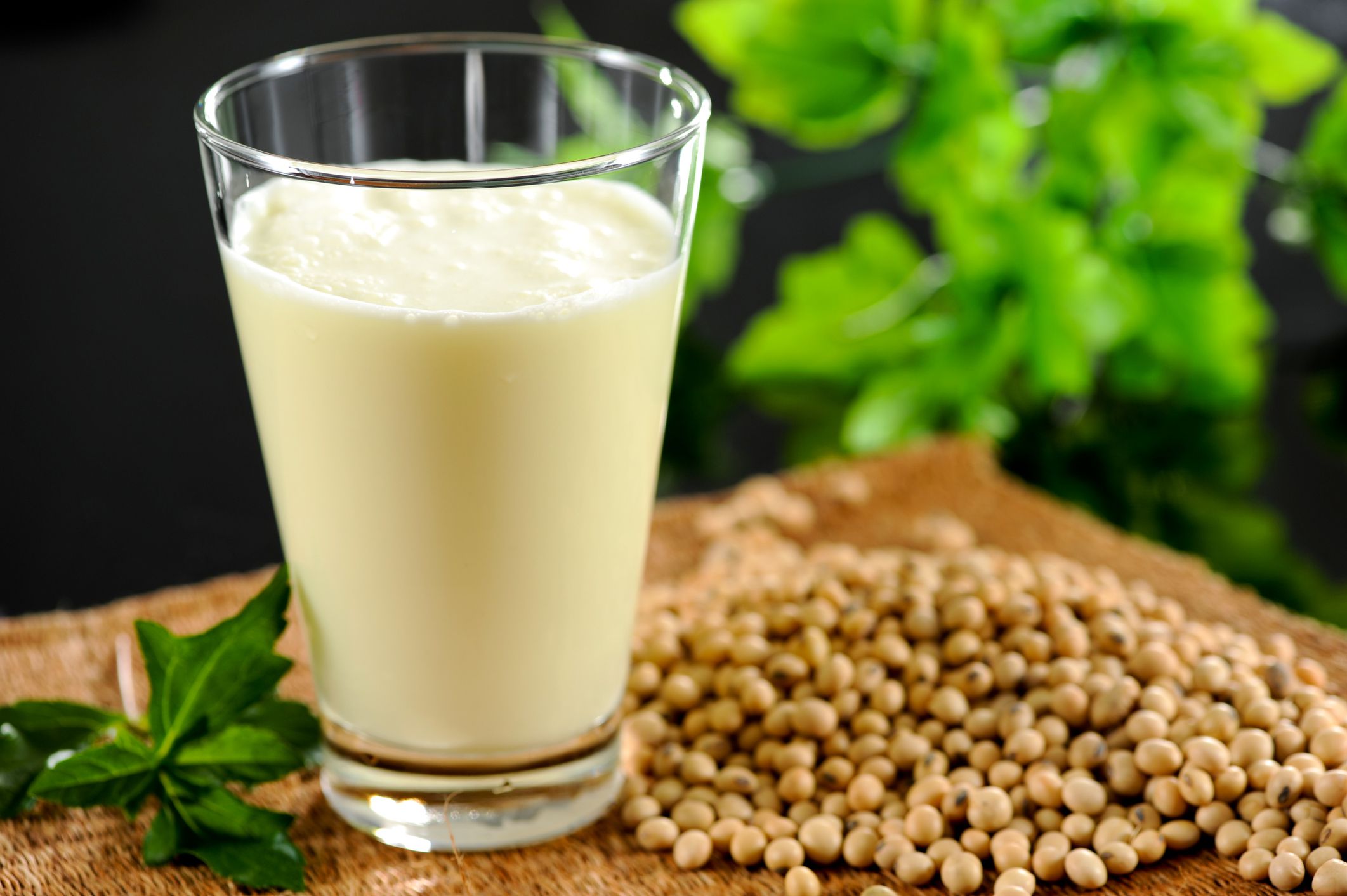
milk drink has become one of the most popular plant-based beverages worldwide,
and its popularity continues to grow in Nigeria and across Africa. Made from
soybeans, this nutritious drink is valued for its rich protein content,
affordability, and numerous health benefits. Beyond its nutritional value, soya
milk also plays significant role in supporting agriculture, agribusiness, rural
livelihoods, and food security.
What is soya milk?
Soya
milk, also known as soy milk, is a plant-based beverage made from soybeans and
water. It is produced by soaking, grinding, boiling, and filtering soybeans to
obtain a creamy, milk-like liquid. Unlike dairy milk, soya milk contains no
lactose, making it a suitable alternative for people, who are lactose
intolerant or prefer plant-based diets.
Origin and growing popularity of soya milk
Soybeans
originated in East Asia and have been cultivated for thousands of years. Over
time, soybean cultivation spread across different parts of the world, including
Africa. Nigeria is one of Africa’s leading producers of soybeans, and the crop
has become increasingly important for food production, livestock feed, and
industrial processing. The popularity of soya milk continues to rise because
consumers are becoming more aware of healthy eating habits, plant-based
nutrition, affordable protein sources, lactose intolerance alternatives, and
sustainable food choices.
Ingredients needed to make soya milk
Preparing
homemade soya milk requires only a few ingredients.
Main
ingredients: Two cups soybeans, 8-10 cups of clean water
Optional
flavoring ingredients: Vanilla extract, honey, sugar, dates, cinnamon, and
ginger. These flavouring can enhance the taste and make the drink more
appealing.
Step-by-step guide on how to make soya milk
drink
Step
1: Sort and wash the soybeans: Remove stones, dirt, and damaged beans. Wash
thoroughly with clean water.
Step
2: Soak the soybeans: Soak the soybeans in water for 8-12 hours, or overnight.
This softens the beans and makes them easier to process.
Step
3: Rinse and remove the skins: After soaking, rinse the beans and rub them
gently between your palms to remove some of the outer skins. This helps improve
the texture and flavour of the milk.
Step
4: Blend the soybeans: Add the soaked soybeans and clean water into a blender,
and blend until smooth.
Step
5: Filter the mixture: Pour the blended mixture through a muslin cloth or fine
sieve. Separate the liquid from the soybean residue (okara).
Step
6: Boil the soy milk: Transfer the filtered liquid into a pot and boil for
about 15-20 minutes. Stir continuously to prevent burning. Boiling helps
eliminate the raw bean taste and improves safety.
Step
7: Add flavouring: Add honey, vanilla, dates, or other natural sweeteners, if
desired. Allow the drink to cool.
Step
8: Refrigerate and serve: Store in clean bottles and refrigerate. Serve chilled
for the best taste.
Nutritional benefits of soya milk
Soya
milk is widely-regarded as a nutritious beverage because it contains several
essential nutrients, viz:
Rich source of plant protein:
Soybeans are among the few plant foods that provide high-quality protein.
Protein
supports: Muscle development, tissue repair, growth and maintenance of body
functions.
Contains
essential vitamins and minerals: Soya milk naturally contains nutrients such as
calcium, magnesium, potassium, iron, Vitamin B-complex. These nutrients support
overall health and wellness.
Low
in saturated fat: Compared to many dairy products, soya milk contains lower
levels of saturated fat.
Suitable
for lactose-intolerant individuals: People, who experience difficulty digesting
lactose often use soya milk as a dairy alternative.
Supports heart health: Research suggests that soybean-based foods
may contribute to healthy cholesterol management when consumed, as part of a
balanced diet.
Economic benefits of soya milk production
Soya
milk production contributes significantly to economic activities throughout the
agricultural value chain in the following ways:
1.
Creates demand for soybean farmers: The primary raw material for soya milk is
soybean. As demand for soya milk increases, more soybeans are cultivated,
farmers earn higher incomes, and agricultural productivity improves. This
encourages investment in soybean farming.
2.
Supports agro-processing industries: Soya milk production transforms raw
agricultural produce into value-added products. This promotes food processing
businesses, packaging industries, beverage manufacturing, small-scale
processing enterprises. Value addition increases profitability, when compared
to selling raw soybeans alone.
3.
Generates employment opportunities: The soybean and soya milk value chain
creates jobs for farmers, input suppliers, transporters, processors,
distributors, and retailers. This contributes to income generation across rural
and urban communities.
4.
Encourages small business development: Many entrepreneurs now produce and
package homemade soya milk for local markets. Startup costs are relatively
affordable, making it attractive for youth entrepreneurs, women-owned
businesses, and community cooperatives.
5.
Reduces dependence on imported dairy products: Increased local production of
soya milk helps reduce reliance on imported milk products and supports domestic
food industries.
Relationship between soya milk and agriculture
Soya
milk is directly connected to agriculture because its primary ingredient comes
from soybean farming. The growth of the soya milk industry stimulates
activities throughout the agricultural sector.
Agricultural
products involved: Soybeans, ginger, vanilla, and natural sweeteners. According
to the International Institute of Tropical Agriculture (IITA), as demand for
soya milk grows, demand for these agricultural commodities also increases.
Importance of soybean farming in Nigeria
Soybean
is one of Nigeria’s most important legume crops. Major soybean-producing areas
include parts of Benue, Kaduna, Niger, Plateau, and Taraba states. Soybean
farming contributes significantly to food security and rural livelihoods, viz:
Benefits of soybean farming
Improves soil fertility: Soybeans
naturally fix nitrogen in the soil, helping improve soil quality.
Supports
livestock production: Soybean meal is widely-used in poultry and livestock feed
production.
Generates
income: Soybean farming provides a reliable source of revenue for farmers.
Encourages agro-industrial development: The crop supplies raw
materials for food, feed, and industrial processing (Food and Agriculture
Organisation).
Business opportunities in the soya milk
industry
Entrepreneurs
can explore several profitable opportunities within the sector, such as:
Homemade soya milk production:
Produce and sell fresh soya milk to households, schools, and offices.
Packaged
beverage production: Develop branded soya milk products for supermarkets and
retail stores.
Soybean
processing: Process soybeans into soy flour, soy cheese (tofu), soy yogurt, and
soy snacks.
Agricultural supply: Cultivate soybeans and supply processors and
manufacturers.
Conclusion
Soya
milk drink is much more than a nutritious beverage. It represents a valuable
link between health, agriculture, entrepreneurship, and economic development.
Its production supports soybean farmers, food processors, transporters,
retailers, and countless businesses across the agricultural value chain. As
demands for healthy and affordable plant-based drinks continue to increase,
soya milk offers tremendous opportunities for both consumers and entrepreneurs
while contributing to the growth of Nigeria’s agriculture sector. For farmers,
processors, and investors alike, soya milk remains one of the most promising
agricultural value-added products in today’s food economy.
 Active journalism costs huge sums of money. To ensure quality and rich agricultural journalism, the support of readers and friends of the publication is required. Donations can be made in Nigerian Naira (NGN). Kindly provide relevant information during transactions and be assured that funds received will be used judiciously and appropriately. For donation to FarmingFarmersFarms, kindly click the link below, call or send message to: +2348095451987.