
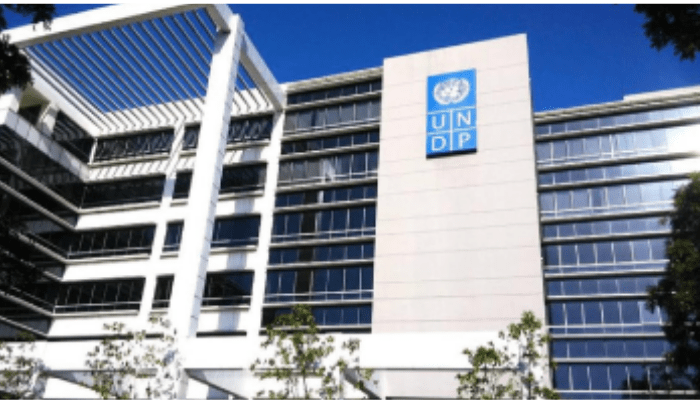
The United Nations Development Programme and the Bank of Agriculture have signed a Memorandum of Understanding aimed at transforming Nigeria’s agricultural financing architecture and launching a One Million Hectare Tree Crop Programme.
The agreement, signed at the United Nations House in Abuja, also featured the symbolic handover of Information and Communication Technology equipment to strengthen BOA’s institutional capacity.
Speaking at the event, UNDP Resident Representative, Ms. Elsie Attafuah said Nigeria’s ongoing economic reforms must translate into tangible benefits for citizens. “Nigeria is in the middle of one of the most consequential reform cycles in decades”, she said.
Citing foreign exchange reform, fuel subsidy removal, fiscal restructuring, and energy liberalisation. “The reforms only matter when they are felt by households when they translate into food on the table, incomes in rural communities, jobs for young people, and exports that stabilise the naira”, she said.
The UNDP official stressed that agriculture remains central to delivering reform dividends, noting that food systems are Nigeria’s largest employer and a major driver of inflation. “If we get agricultural transformation right, we strengthen economic stability, social cohesion, and public confidence all at once”, Attafuah stated.
She commended President Bola Tinubu for what she described as bold leadership that had brought the Bank of Agriculture back onto a reform and delivery pathway.
According to her, the partnership is not symbolic, but structural, “This partnership with the Bank of Agriculture is, therefore, not about cooperation in principle. It is about rebuilding Nigeria’s agricultural financing architecture”, she said.
Attafuah explained that the MoU would anchor BOA’s institutional transformation within a national delivery and financing framework capable of crowding in climate finance, development finance, and private capital. “The symbolic handover of ICT equipment today is not trivial. Institutions deliver development. Without modern systems, data, and operational tools, no financing architecture can work,” she added.
The UNDP official further outlined what success would look like, “Success is not an MoU on the shelf. Success is bankable investment pipelines in priority states and regions, blended finance vehicles absorbing climate and private capital, functioning farmer registries and credit systems, Public Private Partnership delivering processing capacity, and measurable gains in food security, rural incomes, exports, and jobs within the next 24–36 months”.
In his remarks, BOA Managing Director and Chief Executive Officer, Mr. Ayodeji Sotinrin said the partnership would be judged strictly by outcomes. “We did not come here today for the photographs, the handshakes, or the press releases. Nigeria has had enough of those. Our farmers have had enough of those. What our people need, and what this country deserves are results.
“The value of this MOU will be measured, not in the elegance of its language, but in the number of farmers who access finance for the first time; in the hectares brought under cultivation, in the jobs created for our young people, in the dollars of foreign exchange earned from agricultural exports, and in the communities transformed”.
Sotinrin described the partnership as a strong signal of confidence in what he called “BOA 2.0”.
“When UNDP chooses to anchor a flagship agricultural transformation partnership with an institution, it is making a statement. That statement is that the United Nations believes in BOA 2.0”, he said.
At the heart of the partnership is the One Million Hectare Tree Crop Programme, a presidential initiative to cultivate economic tree crops such as cashew, oil palm, coffee, and rubber across the federation.
“This is not a feasibility study. It is not a pilot. This initiative is a commercially-designed, nationally-scaled programme to put one million hectares of productive economic tree crops into the ground with the financing, the technical frameworks, the performance monitoring, and the partnership ecosystem to back it up”, Sotinrin said.
He explained that the programme would be implemented in phases, beginning with 200,000 hectares through nucleus estates and cooperatives, scaling to 400,000 hectares with processing centres, and ultimately reaching one million hectares integrated into export value chains and carbon credit frameworks.
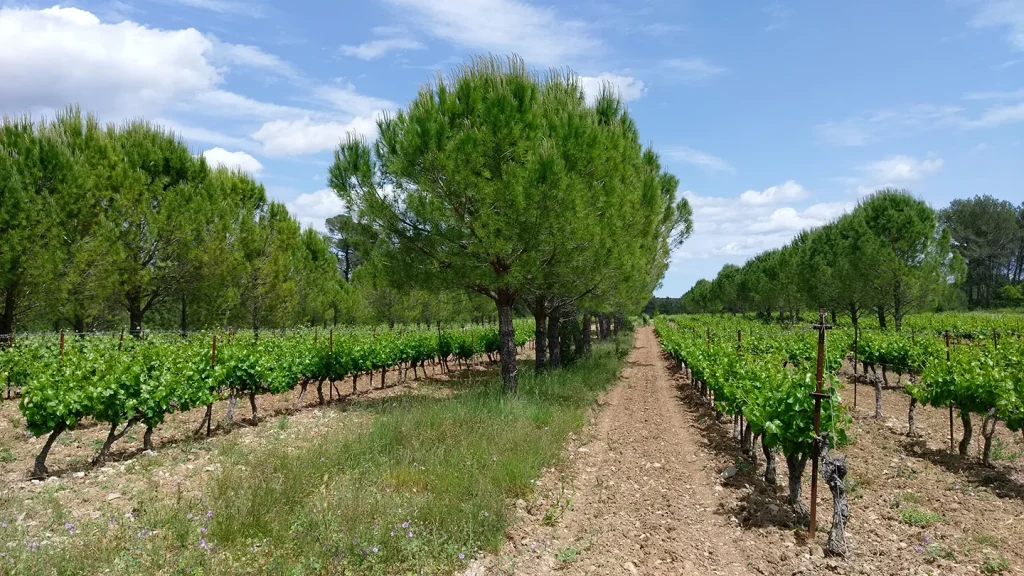
About 70% of the programme, he said, would be allocated to commercial entities under performance-based concessions, while 30% would support citizens, including smallholders, schools, cooperatives, and members of the National Youth Service Corps.
“The expected outcomes are clear: over 2 million direct and indirect jobs created through nurseries, planting, processing, and export. Five national tree crop value chains established. Significant foreign exchange earnings, Reforestation of degraded lands, Carbon sequestration certified and monetised”, he stated.
Sotinrin called on commercial banks, impact investors, processors, and development partners to co-finance and support the initiative.
 Active journalism costs huge sums of money. To ensure quality and rich agricultural journalism, the support of readers and friends of the publication is required. Donations can be made in Nigerian Naira (NGN). Kindly provide relevant information during transactions and be assured that funds received will be used judiciously and appropriately. For donation to FarmingFarmersFarms, kindly click the link below, call or send message to: +2348095451987.